


Get a Sense of Shinsekai’s Layout with Tsutenkaku as Your Landmark
Shinsekai in Osaka is a downtown neighborhood centered on Tsutenkaku, where restaurants and shops cluster amid colorful signs and streams of people.
Instead of seeing only the tower and heading home, compare its broad streets with its narrow alleys, and its lively main frontage with lanes that retain a sense of everyday life, to discover the neighborhood’s depth.
Start by Viewing the Tower from Different Distances
As you approach Tsutenkaku from the station, look for spots where the tower appears between buildings and observe how it gradually grows larger.
Rather than focusing only on the storefronts at your feet, look up from a place where you can stop safely, such as an intersection, and you can sense how Shinsekai’s streets are arranged around the tower.
Do not step into the road or block the flow of pedestrians; move to the side and keep photo stops brief.
Read the Roles of Words, Shapes, and Colors in the Signs
Large three-dimensional signs and lighting do more than show where shops are; they give the streets their expression by communicating the type and atmosphere of each business from a distance.
Even on the same street, shapes and colors stand out during the day, while light and shadow become more prominent from evening onward, so appreciate the differences created by the time of your visit as part of the scenery.
Specific signs may be changed or removed, so it is important to check the view you can actually see on site when you visit.
Choose Your Walking Order Based on the Flow of People
Near Tsutenkaku, people who stop and people who are moving often cross paths, and companions can become separated.
Choose a meeting place first, then follow an order that avoids retracing the same area repeatedly, such as moving into the alleys after seeing the busy front of the tower.
| Place to See | What to Notice | How to Walk |
|---|---|---|
| Main street | Tower and streetscape | Stop at the side |
| Storefronts | Design of the signs | Keep entrances clear |
| Alleys | Frontages and lanes | Give priority to passing traffic |
| Intersections | Direction of the neighborhood | Obey the signals |


Trace Shinsekai’s Origins Back to the 1903 Exposition
Shinsekai’s beginnings can be traced to the Fifth National Industrial Exhibition, held in 1903 (Meiji 36).
The original Tsutenkaku and the Luna Park amusement park were developed on the western side of the former exposition grounds, and the gathering of theaters and cinemas around them helped shape the neighborhood.
See the Background of a Neighborhood Born for Entertainment
Once you know that this was once a place where people gathered to enjoy spectacles and performing arts, rather than only today’s restaurants and tourist attractions, even the flamboyant decorations begin to look like an extension of the neighborhood’s history.
Not all the buildings from that time remain, so do not assume that the present scenery is exactly what it looked like in the past; walk through it as a neighborhood that has undergone repeated change.
See Tsutenkaku as a Landmark Through the Ages
The original tower and today’s Tsutenkaku are not the same structure, but the image of people gathering around a tower has long symbolized Shinsekai.
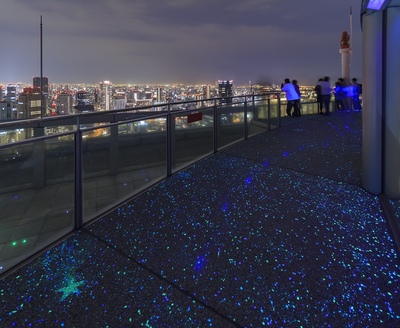
Operating information and admission procedures for the observation facilities may change, so check the latest information on the day of your visit if you plan to use them.


Enjoy the Storefronts and Conversations in Janjan Yokocho
Janjan Yokocho is a narrow shopping arcade lined with restaurants and other businesses on the southern side of Shinsekai.
Rather than pursuing only famous dishes, notice the narrow frontages, the noren curtains that differ from shop to shop, and the voices guiding guests to their seats to appreciate the close-knit feeling unique to the alley.
Observe the Street’s Width and Depth at the Entrance
Before entering the alley, look down the length of the street and check how crowded it is and which direction you will walk.
If you take photos, avoid shop entrances and the front of waiting lines, and be mindful of privacy when people would appear prominently in the frame.
Compare Shops by Food, Seating, and How You Wait
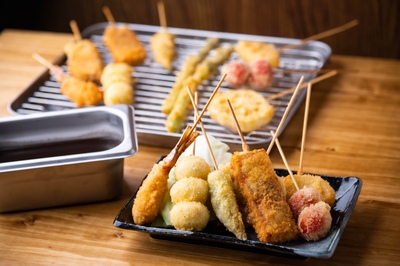
Even for the same kushikatsu, the selection, seating style, ordering process, and payment method vary by shop.
Do not decide by appearance alone; read the posted information and check any dietary restrictions among your companions and whether you can sit comfortably.
Do Not Disrupt Everyday Life in the Area
Shinsekai is a tourist destination, but it is also a place where people work and live their daily lives.
Basic street-walking etiquette means not occupying the road while speaking loudly, not leaving trash outside shops, and avoiding locally prohibited behavior such as smoking on the street.


Plan How You Order and Eat Kushikatsu
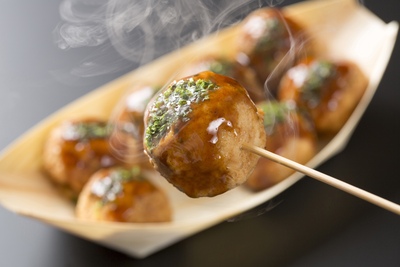
To experience Shinsekai’s food culture, you can consider kushikatsu, doteyaki, and other dishes, though ingredients and seasoning vary from shop to shop even for the same dish.
Rather than choosing a single shop based only on popularity, consider what you want to eat, your budget, the wait time, and allergy accommodations.
Start by Ordering Small Amounts
Instead of ordering many vegetables, meats, and seafood items at once, start with a small amount and compare the flavors and batters so you can choose a combination that suits you.
Do not rush hot fried food into your mouth; first arrange a safe place for the plate and skewers, then eat.
Follow Each Shop’s Guidance on Using Sauce
Sauce service varies by shop, including whether a shared container or individual servings are used, so it is important not to rely solely on customs that have long been commonly known.
Check the staff’s explanation and the notices on the table, and handle condiments and tableware hygienically.
| When to Check | What to Look For | Action |
|---|---|---|
| Before entering | Seats and waiting line | Keep the entrance clear |
| When ordering | Ingredients and prices | Start with a small amount |
| During the meal | Shop etiquette | Follow the posted guidance |
| When leaving | Payment method | Check your belongings |


Walk Safely from Ebisucho Station or Dobutsuen-mae Station
The Osaka Convention & Tourism Bureau lists Ebisucho Station on the Osaka Metro Sakaisuji Line and Dobutsuen-mae Station on the Midosuji and Sakaisuji lines as public transportation access points for Shinsekai.
Tsutenkaku is about a 3-minute walk from Ebisucho Station and about a 6-minute walk from Dobutsuen-mae Station.
The first impression of the neighborhood changes depending on which direction you enter from, so you can also use different stations for your outward and return journeys.
Share Your Arrival Station with Your Companions
To prevent confusion over similar station names or multiple exits, decide on the line, station, exit, and first landmark in specific terms.
Do not walk while looking at a map; step aside in a safe place before checking your direction.
At Night, Prioritize Well-Lit Streets and Your Route Home
After dining, fatigue and luggage can make it harder to pay attention, so avoid dark shortcuts and use routes with pedestrians and lighting.
Business hours and closing days differ by shop, so do not assume that a particular shop will be open; check each shop’s latest information before your visit.
Do Not Pack Too Many Facilities into One Visit
Around Shinsekai are Tsutenkaku, bathing facilities, a zoo, parks, and other places that each deserve their own time.
Rather than placing everything on a single day’s schedule, set a main purpose—such as a day centered on walking and dining or a day centered on views and facility visits—to avoid feeling rushed between destinations.
If you enter a facility, check the latest information about admission procedures, items you may bring in, reentry, and baggage, and do not spread out your belongings on the street to reorganize them.
Deciding in advance which optional stops you can skip will make it easier to adjust the plan based on your companions’ fatigue or the crowds.


Summary: See the Tower, Alleys, and Food Culture as One Continuous Neighborhood
In Shinsekai, use Tsutenkaku to orient yourself, then shift your attention to the design of the signs, the narrow frontages of Janjan Yokocho, and the customs of kushikatsu shops to see the culture of the downtown neighborhood in three dimensions.
Learning how an entertainment district took shape on the former site of the 1903 exposition, and imagining how it differs from the scenery today, is also part of the pleasure of exploring the neighborhood.
Share your station and meeting place, give priority to pedestrian traffic and the area’s everyday life, and savor the face of Shinsekai that you encounter that day.



Reviews (0)