


A 2-Day, 1-Night Matsuyama Castle and Dogo Onsen Itinerary by Tram
This Ehime model itinerary visits Matsuyama Castle and the city center on day 1, then enjoys Dogo Onsen's public bathhouses and the surrounding area on day 2.
Iyo Railway's city trams connect JR Matsuyama Station, Matsuyama City Station, Okaido, Dogo Onsen, and other stops, making them the main way to get around without a car.
Routes, operating conditions, facility access, and bathing reception may change, so check each operator's and facility's information and local notices shortly before your visit.
Walk around Matsuyama Castle on day 1
Take the tram from the station toward Okaido, walk along Ropeway Street, and climb to Matsuyama Castle to experience the history of the city center as one continuous route.
Because you will walk on slopes and stone steps on Shiroyama, avoid packing your schedule too tightly right after arrival and allow time for breaks.
Stay around Dogo Onsen on day 2
Starting at Dogo Onsen Station, choose places that interest you, such as the Honkan, Asuka-no-Yu, Tsubaki-no-Yu, the shopping arcade, and Dogo Park.
You do not need to visit every public bathhouse; balance bathing, architecture, and walking around town.
Decide the role of each mode of travel first
Organizing the 2-day itinerary in the table below helps distinguish tram sections from areas best enjoyed on foot.
| Schedule | Main area | Main transport | Key experience |
|---|---|---|---|
| Day 1 | Castle area | Tram and walking | Stone walls and castle tower |
| Evening | Dogo | Tram | Travel to the hot spring district |
| Day 2 | Around Dogo | Walking | Public bathhouses and castle ruins |


Day 1 morning | Arrange luggage and transport at the station
After arriving in Matsuyama, leave large luggage at the station or your accommodation and change into gear suitable for walking Shiroyama's slopes.
Compare your accommodation's location with nearby tram stops and choose storage that will not require returning to the same place the next morning.
Check the city tram route map
Use the city tram map to check route numbers, the nearest stops for attractions, and the direction of travel in advance.
Because trams for several destinations may use the same stop, check the vehicle's destination display before boarding.
Confirm payment methods and transfers
National transit IC cards such as ICOCA can be used on city trams, but confirm transfer conditions and ticket types in the user guide or with staff.
Do not rely only on the shortest connection; leave enough time so that missing 1 tram will not seriously disrupt your sightseeing plans.

Enjoy the elevation change from the castle town to Matsuyama Castle's summit
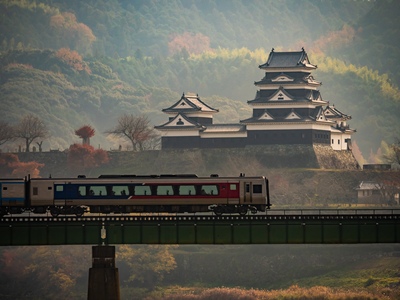
Matsuyama Castle is a hilltop castle built on Shiroyama, and the ascent from the city at the foot of the hill to the Honmaru is itself a highlight.
Even if you use the ropeway or chairlift, you must walk from the upper area to the castle tower, so wear comfortable, familiar shoes.
Walk from Ropeway Street to the Shinonomeguchi Station building
Walking along Ropeway Street from the Okaido area leads to the Shinonomeguchi Station building past restaurants and souvenir shops.
The street is also used by local residents, so do not block pedestrians when stopping in front of shops.
Choose the ropeway or chairlift with safety in mind
Conditions vary with weather, age, and physical health, so prioritize safety rather than choosing solely for speed or views.
If rain or strong winds affect service, follow local guidance and consider not switching to a strenuous climb on foot.
Observe the stone walls and gate layout in the Honmaru
At the summit, look beyond the castle tower to the angles of the stone walls, the orientation of the gates, and the spread of the baileys to imagine the defensive design.
Check visitor information and staff instructions for the castle tower's open areas, admission reception, and photography rules.

Combine Okaido with cultural facilities below the castle
After descending from Matsuyama Castle, walk through Okaido and nearby cultural facilities to sense how the town developed around Shiroyama.
Keeping indoor options such as the Saka no Ue no Kumo Museum in mind makes it easier to adjust the itinerary on rainy or very hot days.
Change lunch options according to crowds
If the wait at a popular restaurant is long, avoid insisting on the same dish and choose another street that is easy to reach by tram.
Business days and reservation requirements can change, so check current information if you have a particular restaurant in mind.
Decide the evening trip to Dogo in advance
Place your final stop in the castle town near a tram stop so you can reach accommodation check-in and bathing reception on time.
If the tram is crowded, avoid traveling with large luggage and consider delivery to your accommodation or using luggage storage.


Plan bathing and architectural viewing separately at Dogo Onsen Honkan
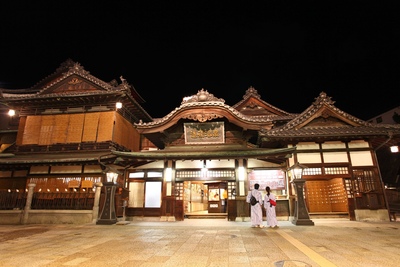
Dogo Onsen Honkan is an iconic building in the hot spring district, with several ways to use its baths and lounges.
Dogo Onsen Honkan is a historic building that became Japan's first public bathhouse designated as an Important Cultural Property.
Available plans, reception, prices, and wait times may change, so review the day's information and choose a manageable option.
Read the user guide before bathing
Understanding the route after reception and how to use the changing room, amenities, and rest areas helps you relax inside the historic building.
Avoid bathing when unwell or after drinking alcohol, do not stay in the bath too long, and keep hydrated.
Notice the exterior and Shinrokaku
The Honkan's 3-story tower and rooftop Shinrokaku show how hot spring functions and the town's symbolism come together in one building.
Shinrokaku's Toki-daiko drum was selected among the 100 Soundscapes of Japan to Preserve.
When taking photos from the road, watch for vehicles and pedestrians, and do not stop suddenly to look up at the building.


Adjust day 2 between public bathhouses and Dogo Park according to your condition
On day 2, after spending the morning at your accommodation, choose 1 public bathhouse, walk through Dogo Park and the shopping arcade, and then begin the trip home.
Dogo Park occupies the medieval ruins of Yuzuki Castle, where moats, earthworks, and reconstructed samurai residences reveal a history different from the hot spring district.
Choose public bathhouses by their purpose
The Honkan, Asuka-no-Yu, and Tsubaki-no-Yu differ in architecture and use, so choose according to whether bathing, resting, or viewing architecture is your priority.
Use the table below to organize your priorities so you can switch to another activity when it is crowded.
| How to spend your time | What to check | Alternative |
|---|---|---|
| Bathing focused | Reception and physical condition | Choose just 1 |
| Architecture focused | Exterior and design | View from outside |
| Historical walk | Moats and earthworks | Go to Dogo Park |
| Rainy weather | Slippery surfaces | Prioritize indoor sites |
Read the terrain in Dogo Park
At the Yuzuki Castle ruins, compare the hills with the moat and consider from the terrain why a medieval castle stood near the hot spring district.
When paths are wet, do not force yourself up the hills; enjoy exhibits and scenery in flatter areas.
Confirm the return stop and your luggage
Before returning to Dogo Onsen Station, check the tram destination, boarding position, and luggage pickup time.
If connecting to a flight or train, allow for delays and crowds and leave ample time for transfers in the city center.

Shorten the tram trip according to crowds and weather
Traveling around Matsuyama without a car makes it easy to add stops, but repeated boarding and alighting also increases waiting time and fatigue.
Keep Matsuyama Castle, Okaido, and Dogo Onsen as the 3 main anchors, and add other places only according to your energy level.
Wait for the next tram when it is crowded
If a tram is crowded, do not force your way on; use the official route map and your current location to decide between the next service and walking.
At stops, stay out of the roadway and leave room for passengers to exit before boarding.
Reconsider the chairlift and slopes in rain
On rainy days, check Matsuyama Castle's chairlift operation and the footing on castle paths, and prioritize the ropeway or indoor facilities.
In Dogo, do not rush over wet roads after bathing; decide in advance where to rest and how to return to your accommodation.
Summary | Connect the castle and hot spring town by tram
For a 2-day, 1-night car-free trip through Ehime, a simple plan is to take the tram to Matsuyama Castle on the first day and move to Dogo Onsen in the evening.
Focusing on the elevation from the foot of the hill to the castle tower at Matsuyama Castle, the Honkan's architecture and public-bath culture in Dogo, and the medieval terrain at the Yuzuki Castle ruins adds depth to the trip.
On the day of your visit, check operating and access information for city trams, the ropeway, castle opening, and public-bath reception, and reduce stops according to your condition and the weather.



Reviews (0)