


Overview of a 1-Night, 2-Day Autumn Ehime Itinerary
On this itinerary, you will walk through Omogo Gorge in Kuma Kōgen Town on Day 1, then travel to Dōgo Onsen in Matsuyama in the evening.
On Day 2, take your time exploring the historic public bathhouses and hot spring district.
After enjoying a mountain stream and autumn leaves, resting in a hot spring town creates an appealing journey that combines nature and culture at a comfortable pace.
Check the conditions of mountain roads, walking trails, and hot spring facilities, and leave extra time in your schedule.
Enjoy the Contrast Between the Gorge and Hot Spring Town
At Omogo Gorge, observe the crystal-clear water, rocky surfaces, and colors of the trees up close.
At Dōgo Onsen, shift your attention to the architecture, baths, and lively shopping street.
Listen to the sounds of nature on the first day and trace the town's history on the next, and Ehime's different attractions will come together as one continuous journey.
Plan Your Ehime Road Trip Around Driving
Considering access to Omogo Gorge and the trip onward to Dōgo Onsen, an itinerary centered on driving is easier to arrange.
Mountain roads require more time and concentration than their distance on a map might suggest.
Avoid long drives after sunset, and check the weather, road restrictions, and parking information both before departure and on the day of your trip.
Basic 2-Day Itinerary
| Schedule | Main Location | Main Focus |
|---|---|---|
| Day 1 morning | Omogo Gorge, Kuma Kōgen Town | See the clear stream, unusual rock formations, and autumn leaves from safe walking trails |
| Day 1 evening | Travel to Dōgo Onsen | Leave the mountain roads while it is still light and rest at your accommodation |
| Day 2 | Around Dōgo Onsen Honkan | Walk among the public bathhouses and through the hot spring district while experiencing its history and architecture |


Head to Omogo Gorge Early on Day 1
Omogo Gorge spreads across the foothills of Mount Ishizuchi and offers unusual rock formations, mountain streams, and several walking routes.
Weather can change quickly in the mountains, and the number of visitors and cars may increase during the autumn foliage season.
Arrive during daylight, check the open areas on local information boards, and then begin your walk.
Prepare Your Car and Luggage in Town
Before entering the mountains, check your fuel or battery charge and prepare drinks, rain gear, and a warm jacket.
Check maps and emergency contact information in case the signal is unstable.
Organize large luggage and use a small bag that keeps both hands free during your walk.
Do Not Judge the Trip Only by Peak Autumn Foliage
The progress of the colors varies with elevation, temperature, and weather.
Even if the peak foliage forecast is off, you can still enjoy scenery unique to the changing season, including the clear stream, sculpted rocks, and trees shifting from green to yellow.
Rather than expecting the exact conditions shown in older photos, it is important to observe the natural landscape as it is that day.
Set Your Walking Time With the Return Trip in Mind
Before you start walking, decide when you will leave for Dōgo Onsen.
Do not use all your energy on the outward route, and allow enough time to return to your parking spot.
For a safer plan, finish the walk before the sun begins to set, take a break, and then start driving.


See the Clear Stream and Rock Formations at Omogo Gorge
Omogo Gorge has 2 walking trails: the Main Stream Route and the Teppō Route.
Whichever you choose, prioritize current local conditions such as closures, landslides, and rising water levels.
Follow posted signs and turn back if you cannot continue to the place you planned to visit.
Observe the Water's Color and the Riverbed
In the clear water, you can see reflections on the surface, stones on the riverbed, and changes in color caused by depth.
Climbing down to the river or stepping onto wet rocks for a photo is dangerous.
Enjoy the view from safe places such as bridges and walking trails, and do not climb over railings or fences.
View the Rock Formations With the Autumn Leaves
At Omogo Gorge, the shapes of the rocks and colors of the trees create a sense of depth in the valley.
Look beyond vivid reds and notice compositions where evergreens, yellow leaves, gray rock surfaces, and the color of the clear stream overlap.
In narrow areas, let others pass first and avoid standing in one place for a long time.
Watch for Uneven Ground Beneath Fallen Leaves
Wet stones or tree roots may be hidden beneath leaves that look dry.
Wear slip-resistant shoes and take shorter steps when descending.
If the rain intensifies or the water level rises, shorten your walk and return to the parking area.


Travel Safely From Omogo Gorge to Dōgo Onsen
The stretch from the gorge to central Matsuyama is not merely time between sightseeing stops but an important part of the journey.
If the driver is tired, take a sufficient break before departing.
Reduce your speed on winding roads and watch for oncoming vehicles and animals that may dart into the road.
Leave the Mountain Roads Before Sunset
Days are shorter in autumn, and it may feel dark earlier in the mountains than in the city.
Do not extend your walk too long; begin traveling while it is still light.
If fog or rain reduces visibility, be prepared to finish earlier than planned.
Check Parking Conditions at Your Dōgo Accommodation
The Dōgo Onsen area has many pedestrians, and its roads and parking conditions differ greatly from those in the mountains.
Confirm your accommodation's parking location, permitted entry time, vehicle-height limits, and other conditions in advance.
After arrival, park the car and explore the hot spring district on foot for a more relaxed visit.

Rest After Your Mountain Walk at Dōgo Onsen
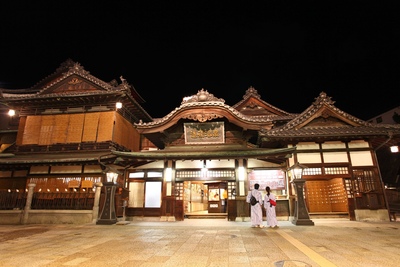
Dōgo Onsen Honkan is an Important Cultural Property of Japan, and its architectural value has been passed to the next generation through a long-term preservation and repair project.
Look beyond the exterior and also consider how the building remains connected to local life as a public bathhouse.
Check the bathing options, closure information, and guidance for busy periods.
Dōgo Onsen Honkan became the first public bathhouse designated as an Important Cultural Property of Japan in 1994 (Heisei 6).
Choose Whether to Bathe on Arrival Day or the Next Day
Depending on crowds and fatigue on your arrival day, you can rest at your accommodation instead of forcing yourself to queue at the Honkan and visit the next morning.
There are several public bathhouses nearby, so compare their conditions of use before choosing one.
Do not treat being unable to enter 1 bathhouse as a failed trip; stay flexible by combining bathing with a walk around town.
Put Your Health First in the Bath
After hiking and driving, dehydration or fatigue may be harder to notice.
Drink water before and after bathing, and avoid soaking for too long.
Do not bathe immediately after drinking alcohol or when you feel unwell, and follow facility notices and staff guidance.
Quietly Observe the Architectural Details
Around the Honkan, you can observe the building's silhouette, including the roof, exterior walls, windows, and tower.
Check where photography is allowed and which areas are off-limits, and take care not to photograph bathers or passersby.
Learning about the history of preservation repairs helps you understand that using the hot spring is itself part of carrying the building into the future.


Explore Dōgo Onsen's History on Foot on Day 2
Begin Day 2 with a morning bath or walk, then visit the shopping street and nearby cultural spots at a comfortable pace.
If your legs are still tired from the previous day's gorge walk, avoid stairs and long distances and take more breaks.
Work backward from your return transportation time and leave time for shopping and meals.
Experience the Sounds and Steam of the Town in the Morning
In the morning, even before shops open, you may be able to view the buildings and street layout of the hot spring district in a calm atmosphere.
However, keep your voice down near homes and accommodations, and walk without disturbing local life.
Check where you may enter and the opening time of each facility.
Compare Dōgo's Public Bathhouses
Do not limit yourself to Dōgo Onsen Honkan; compare the features and ways to use the public bathhouses nearby.
Crowds, closures, and available facilities may vary by day.
Considering your energy and return journey, carefully enjoying 1 bathhouse can be a better choice than rushing through several.
Discover Local Character Through Food and Shopping
Ehime citrus fruit, regional flavors, and crafts reveal local life alongside the area's natural scenery and hot springs.
Do not fix your plans around only popular businesses; choose another place if one is crowded.
Avoid standing for a long time on sidewalks or at shop entrances, and use your accommodation or a locker if your luggage increases.

Adjust Your Ehime Itinerary for Weather and Crowds
This journey connects places with different characteristics: mountain roads, walking trails, and hot spring facilities.
If conditions are poor at 1 place, you can shorten the itinerary while keeping the safe parts instead of canceling everything.
You can preserve the theme of the trip by choosing 1 option in each place: viewing the clear stream or rocks at Omogo Gorge, and bathing or walking around town in Dōgo.
How to Adjust the Itinerary for Different Conditions
| Condition | Priority | Example Adjustment |
|---|---|---|
| Rain or rising water | Move away from the gorge | Cancel or shorten the Omogo Gorge walk and travel to Dōgo earlier |
| Walking trail closure | Follow local signs | View only a short open section or change to another stop |
| Wait for bathing | Your health and return journey | Switch to another public bathhouse or a town walk instead of continuing to wait |
| Fatigue | Rest | Reduce the number of places on Day 2 and begin the return journey earlier |
Decide Where to Check Changing Information
Check information on autumn foliage, walking trails, roads, and weather.
Also check visitor information for Dōgo Onsen's opening hours, fees, closures, and crowd-control measures.
It is important not to use figures from older articles or posts as current information.
Summary: From Omogo Gorge's Clear Stream to Dōgo's Hot Springs
On a 1-night, 2-day autumn trip to Ehime, you can enjoy the mountain and town in balance by walking among the clear stream, unusual rock formations, and autumn leaves of Omogo Gorge, then resting at Dōgo Onsen.
On Day 1, check trail conditions and your footing, choose the area you will walk, and leave the mountain roads before sunset.
On Day 2, take your time exploring Dōgo Onsen Honkan, other public bathhouses, and the hot spring district according to crowds and your physical condition.
Autumn foliage, road, and facility information can change, so checking guidance from operators and local authorities immediately before departure and on the day—and prioritizing safety over the plan—will lead to a more satisfying trip.


Reviews (0)