


Explore Yamashiro Onsen Around the Sōyu Public Bath
At Yamashiro Onsen in Kaga, Ishikawa Prefecture, inns and shops spread out around the communal Sōyu and Ko-Sōyu bathhouses, letting you experience the close relationship between the hot spring and the town.
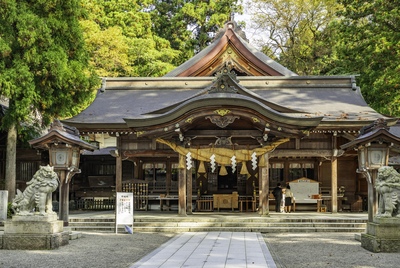
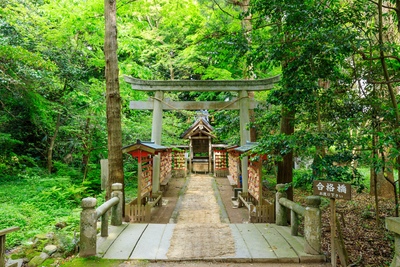
Instead of limiting your stay to your inn’s bath, follow a route through the communal bathhouses, the Yu no Gawa district, shrines, temples, and shops to see how this hot spring town developed through everyday life and the movement of people.
Here, a place used for daily bathing and a place for experiencing history stand side by side. Even on a short visit, comparing them makes it easier to understand what the town has long valued.
Once you understand the center, the surrounding shops and alleys also come into view as part of the hot spring town.
Combine Bathing and Walking Through Town
At Yamashiro Onsen, it feels most natural not to separate bathing, appreciating the buildings, and relaxing in town too sharply.
Start by locating the center of the hot spring district, then walk a circuit after your bath. This helps you physically grasp how the communal bathhouse serves both as a landmark and as a hub where people gather.
Leave Room in Your Yamashiro Onsen Itinerary
Rest before and after bathing is important at an onsen, so include time to sit down and rehydrate after your bath instead of moving rapidly from one sight to the next.
Depending on your condition and the crowds, keeping the option of visiting only Ko-Sōyu or only Sōyu lets you enjoy the atmosphere of the town without overexerting yourself.


Compare the Roles of Sōyu and Ko-Sōyu
Yamashiro Onsen has 2 public bathhouses, each offering a different experience.
Sōyu is designed for convenient everyday use as a communal bathhouse, while Ko-Sōyu recreates the Sōyu of the Meiji period and offers an experience of the bathing culture of that era.
The following table organizes their features to help you decide which one to choose.
| Comparison | Sōyu | Ko-Sōyu |
|---|---|---|
| Main experience | Bathe in a modern communal bathhouse | Experience restored architecture and historic bathing customs |
| What to notice in the building | See how it harmonizes with the townscape | Focus on the exterior and Kutani ware tiles |
| Preparation | Check whether amenities are provided | Check differences in facilities, including the washing area |
| Best suited for | Resting with the focus on bathing | Experiencing hot spring culture firsthand |
Experience Everyday Communal Bathing at Sōyu
Unlike the private baths inside inns, Sōyu is a place where local residents and travelers share the same water.
Confirm how to use the facility at the entrance, and be considerate about conversation and belongings in the changing room and bathing area to preserve the calm atmosphere of a communal bathhouse.
Sōyu is a communal bathhouse where 100% natural hot spring water, with no added water, is regulated through a heat-exchange system.
See Both the Architecture and Bathing Style at Ko-Sōyu
The appeal of Ko-Sōyu extends beyond its exterior. The space recreates the atmosphere of the Meiji period, including Kutani ware tiles used on the bathing-room floors and walls.
Do not assume it has all the same facilities as a typical bathhouse. Check the guidance on washing areas, soap products, rest areas, and other facilities before entering.
Ko-Sōyu has no faucets or showers, and soap and shampoo cannot be used. Rather than a conventional bath for washing the body, it is a place to soak and experience the Meiji-period custom of yūami bathing.


Read the Shape of the Hot Spring Town Through Yu no Gawa
At Yamashiro Onsen, the townscape of inns and shops surrounding Sōyu is called Yu no Gawa.
Knowing this term, which has long been used in Hokuriku hot spring towns, lets you view the streets not simply as routes but as part of a system that draws people toward the communal bathhouse.
Use Sōyu to Get Oriented
First confirm the positions of Sōyu and Ko-Sōyu, then broaden your view to the streets and rows of shops extending from them.
Rather than working backward from a distant destination, make a short circuit from the center and return. This route is less tiring and easier to follow after a bath.
Compare the Old and New Townscape
Compare the restored design of Ko-Sōyu, the gate of a former inn incorporated into Sōyu, and the surrounding inns and shops. You can see how the town has been renewed while retaining older elements.
Instead of trying to assign exact dates to buildings, notice the differences you can verify while walking, such as roofs, latticework, signs, and alley widths, and describe them in your own words.


Discover the History of Yamashiro Onsen Culture
Yamashiro Onsen has a founding legend that Gyōki discovered the hot spring in 725, the 2nd year of the Jinki era, after seeing a crow healing its injuries there.
Sōyu also stands on the former site of the Yoshinoya Inn, associated with Kitaōji Rosanjin. Such ties to cultural figures reveal the town not only as a place for therapeutic bathing but also as a setting for creativity and exchange.
The following table separates several perspectives for exploring this history.
| What to see | Culture it reveals | How to enjoy it |
|---|---|---|
| Sōyu and Ko-Sōyu | Daily life centered on communal bathhouses | Compare the buildings and bathing procedures |
| Yu no Gawa | A town structured around the hot spring | Walk outward from the center |
| Kutani ware tiles | Local crafts and bathhouse design | Quietly observe the colors and patterns |
| Shrines, Temples, and Traces of Cultural Figures | Connections with faith and creative work | Follow the route while checking local explanations |
Treat the Founding Legend as a Memory of the Land
The story of a crow healing its wounds in the hot spring symbolizes an affection and gratitude for the water that a factual chronology alone cannot convey.
Do not confuse the legend with a guarantee of health benefits. By receiving it as a community memory of finding and protecting the spring, you can also discover meaning in the town’s symbols and designs.
Connect Local Craftsmanship with the Bathing Space
The Kutani ware tiles at Ko-Sōyu bring the hot spring and Kaga’s craft culture together in a single space.
Observe rules on photography and etiquette inside the bathing area, and prioritize experiencing the colors and repeating patterns with your own eyes rather than recording them.


Plan How to Spend Time Before and After Bathing
To enjoy the water comfortably, prepare not only for the bath itself but also for meals, hydration, rest, and handling your belongings before and afterward.
Ko-Sōyu and Sōyu differ in their facilities and ways of use, so check the visitor information rather than assuming the same items will work for both.
Choose What to Bring Based on Facility Information
For towels, toiletries, a change of clothes, coins, and other items, determine what is available on site and what you need to bring.
Because Ko-Sōyu differs from a typical washing area, decide in advance whether you want a bath where you can wash your body or whether experiencing historic yūami culture is your priority.
Adjust Bathing Time to Your Physical Condition
If you are hungry, overly full, have just consumed alcohol, or are very tired, do not stay in the bath for too long. Skip bathing if you have concerns about your condition.
After bathing, rehydrate and avoid rushing to the next place. Wait in a chair or rest area until your body temperature and breathing settle.


Check Yamashiro Onsen Transport and Opening Information
Yamashiro Onsen can be reached from Kaga Onsen Station and other points, but train, loop bus, and local transport schedules and operating conditions may change.
Opening hours, fees, closures, and facilities at the communal bathhouses may also be revised, so check the current conditions provided by the Yamashiro Onsen Tourism Association and transport operators before your visit.
Check the Return Trip When Using Public Transport
When traveling by train and bus, check not only your arrival time but also the return services available after bathing and the transfer time between them.
If you may have a long wait after your bath, identify an indoor place to rest and a possible place to eat so your plan is less affected by the weather.
Make a Final Check on Site
Even after checking information before departure, the day’s crowds, facility inspections, or traffic conditions may change the terms of use.
Treat notices at the entrance and staff guidance as the final information. If the bathhouse is unavailable, switch to walking around town or taking a break.

Summary: Experience the Relationship Between Hot Springs and Town Life at Yamashiro Onsen
At Yamashiro Onsen, the modern communal Sōyu bathhouse, Ko-Sōyu’s recreation of Meiji-period bathing culture, and the surrounding Yu no Gawa district come together as one experience.
By understanding the differences between the 2 bathhouses, looking outward from the center to the townscape, and leaving time before and after bathing, you can experience the onsen not merely as a facility but as part of local culture.
Opening hours, fees, facilities, and transport may change. Check the day’s guidance shortly before your visit and again on site, and spend your time with care for your health and proper etiquette.



Reviews (0)