


Before You Choose a River Cruise or Waterside Activity in Kyoto
Kyoto's river cruises and waterside activities become easier to choose when you sort them into the Hozugawa River Cruise that travels through a gorge, sightseeing boats you can hop on during a town walk, sightseeing vessels you can enjoy in the "Sea of Kyoto" coastal region, and self-paddled kayaking and rafting.
Rather than keeping everything within central Kyoto, building your plan by area, such as Kameoka and Arashiyama, Fushimi and Uji, or Amanohashidate and Ine, makes the flow of travel and experiences more natural.
Some experiences have schedules that change with the weather and water levels, so it is reassuring to check the operator's official information when booking and before departure on the day.
First, let's organize which waterside experience suits you, based on the purpose of your trip.
| Type of Experience | Suited Trip | Atmosphere |
|---|---|---|
| River cruise | Nature-focused | Thrilling |
| Yakatabune boat | Arashiyama stroll | Relaxed |
| Jikkokubune boat | Town walk | Historical |
| Cormorant fishing | Seasonal event | Dreamlike |
| Sightseeing boat | Sea of Kyoto | Open and airy |
| Kayaking | Hands-on type | Active |
For Scenic Views, Choose a Sightseeing Boat or Vessel Tour
For first-time visitors to Kyoto, a boat tour where you can relax and enjoy the scenery while leaving navigation to the boat staff and onboard guidance is an easy choice to include.
Experiences like the Hozugawa River Cruise, which descends about 16 kilometers from Kameoka to Arashiyama over roughly 2 hours, the roughly 50-minute Fushimi Jikkokubune, and the Amanohashidate sightseeing boat that crosses Aso Bay in about 12 minutes, let you view Kyoto's terrain and townscapes from an angle and perspective different from walking.
To Get Active, Choose Hozugawa Rafting or Amanohashidate Sea Kayaking
For those who want to take part themselves rather than just watch the water, Hozugawa rafting and Amanohashidate sea kayaking are good options.
The closer the experience is to the water, the more important your clothing and gear are, so check the official information on whether you need shoes that can get wet or a change of clothes.
For Riverside Dining, Add Kawayuka in Kamogawa, Kibune, and Takao
If you want to add a meal before or after a water activity, the kawadoko/kawayuka riverside dining platforms of Kamogawa, Kibune, and Takao also make for a Kyoto-style waterside experience.
Since each restaurant differs in its operating style and reservation conditions, it is reassuring to think of kawayuka as "an experience of enjoying a meal at a waterside seat" and to check each individual restaurant's information before using it.


The Hozugawa River Cruise and Ōigawa Waterside Experiences in Kameoka and Arashiyama
The area that represents Kyoto's river cruising is around the Hozugawa River, which runs from Kameoka to Arashiyama.
Even after arriving in Arashiyama, combining the yakatabune boats around Togetsukyō Bridge and summer cormorant-fishing viewing lets you enjoy the shift in scenery from a mountain stream to the riverside of a sightseeing district.
Hozugawa River Cruise | A Kyoto-Style River Cruise Through a Gorge in About 2 Hours
The Hozugawa River Cruise is known as a boat trip that descends about 16 kilometers from the Kameoka side toward Arashiyama over roughly 2 hours, letting you view rocky areas, rapids, and the mountain scenery of the four seasons from the water's surface.
Fares are generally 6,000 yen for adults and 4,500 yen for children (toddlers to elementary school students), and because you can watch the boatman's handling up close, you can enjoy it as an activity that conveys the relationship between the river and people, not merely as transport.
It is affected by water volume and weather, and operations are suspended every year from December 29 to January 4, so for days you plan to include it, check the official operating status and keep your surrounding schedule relaxed so you can enjoy it with peace of mind.

Hozugawa Rafting | An Active Experience to Get Close to the Current
Around the Hozugawa River, you can also choose rafting, traveling the rapids in a rubber boat on plans offered by various operators.
Closer to the water than the river cruise, with moments where participants use the paddles themselves, it suits people seeking the satisfaction of a hands-on experience rather than quietly watching nature.
Participation conditions, equipment, and meeting points differ by plan, and there are also tours that elementary school students can join, so check the eligible ages, what to bring, and how cancellations are decided on the day before booking.
Arashiyama Tsūsen Yakatabune | Enjoy the Ōigawa River Around Togetsukyō in About 30 Minutes
In Arashiyama, there is an experience of viewing Togetsukyō Bridge and the mountain scenery from the surface of the Ōigawa River aboard a yakatabune boat operated by Arashiyama Tsūsen.
The shared sightseeing boat takes about 30 minutes, and rather than traveling a long distance like the river cruise, it is best for pausing during your Arashiyama stroll to savor the scenery from aboard the boat.
Since operations may change with the weather, check the local information after arriving, and when it is crowded, it is a good idea to swap the order with a walk around the area.
Arashiyama Cormorant-Fishing Boat | Experience a Seasonal Tradition on a Summer Evening by the River
In Arashiyama, from around July to late September, there is also an experience of boarding a cormorant-fishing (ukai) viewing boat to watch this traditional event on the Ōigawa River.
The atmosphere differs from daytime sightseeing, and the sight of the bonfire light and mountain shadows reflecting on the river surface leaves a lasting impression, making it well suited to a trip that stays in Arashiyama into the evening.
Seasonal events have limited operating periods and reception methods, and shared boats are often first-come on the day while private boats require reservations, so rather than relying solely on same-day use, check the operating status in the official information before adding it to your plans.
Enjoying Historic River Boating in Fushimi and Uji
Fushimi and Uji are areas suited to those who want to feel Kyoto's water transport and river culture.
They are easy to combine with walks among temples and shrines, sake breweries, and the Uji tea town, and not just the time aboard the boat but also the time walking along the waterside paths deepens the impression of the trip.
Fushimi Jikkokubune | Take in Traces of a Port Town on a Roughly 50-Minute Sightseeing Boat
The Fushimi Jikkokubune is a sightseeing boat that lets you feel the atmosphere of Fushimi, once prosperous through water transport, over about 50 minutes.
Viewing the willows along the river and the townscape of sake breweries from the boat, you encounter a port-town character different from the temple-and-shrine sightseeing of central Kyoto.
Operation is mainly from spring to early winter, with some periods having scheduled non-operating days, so combining it with a spring or autumn walk around the area, a sake brewery tour, or sampling food along the shopping street makes it easy to turn into a half-day trip.
Cormorant Fishing on the Uji River | See a Summer Tradition Carried On by Female Cormorant Masters
Cormorant fishing on the Uji River is a seasonal event, generally held from July 1 to September 30 (closed Wednesdays), where you watch the movements of the cormorant master and cormorants from a sightseeing boat; it is also known for women cormorant masters, who are rare even across Japan.
Unlike a stroll around Uji Bridge or Byōdō-in, its appeal is being able to spend time on the nighttime river, sensing the firelight and the sound of the water.
Shared boats are generally boarded from the Kisenbashi bridge area and cost 2,700 yen for adults and 1,200 yen for elementary school students, while details for private boats are listed in the official information, so check whether reservations are possible and how same-day reception works before planning your itinerary.
Riverside Strolls in Uji | Enjoy the Waterside Even on Days You Don't Board a Boat
Even if your dates don't match the boat operating days, you can enjoy the waterside scenery along the Uji River by walking around Uji Bridge and the area of Nakanoshima (Tonoshima and Tachibanajima islands).
Walking along the river between visits to Uji tea shops and temples and shrines naturally conveys how the whole town developed together with the river.
After rain or on days with high water levels, it is important not to get too close to the river and not to push yourself where there are guidance signs or access restrictions.
Enjoying the Sea of Kyoto from the Water in Amanohashidate and Ine
In Amanohashidate and Ine in northern Kyoto, you can experience the openness of the sea, different from a river.
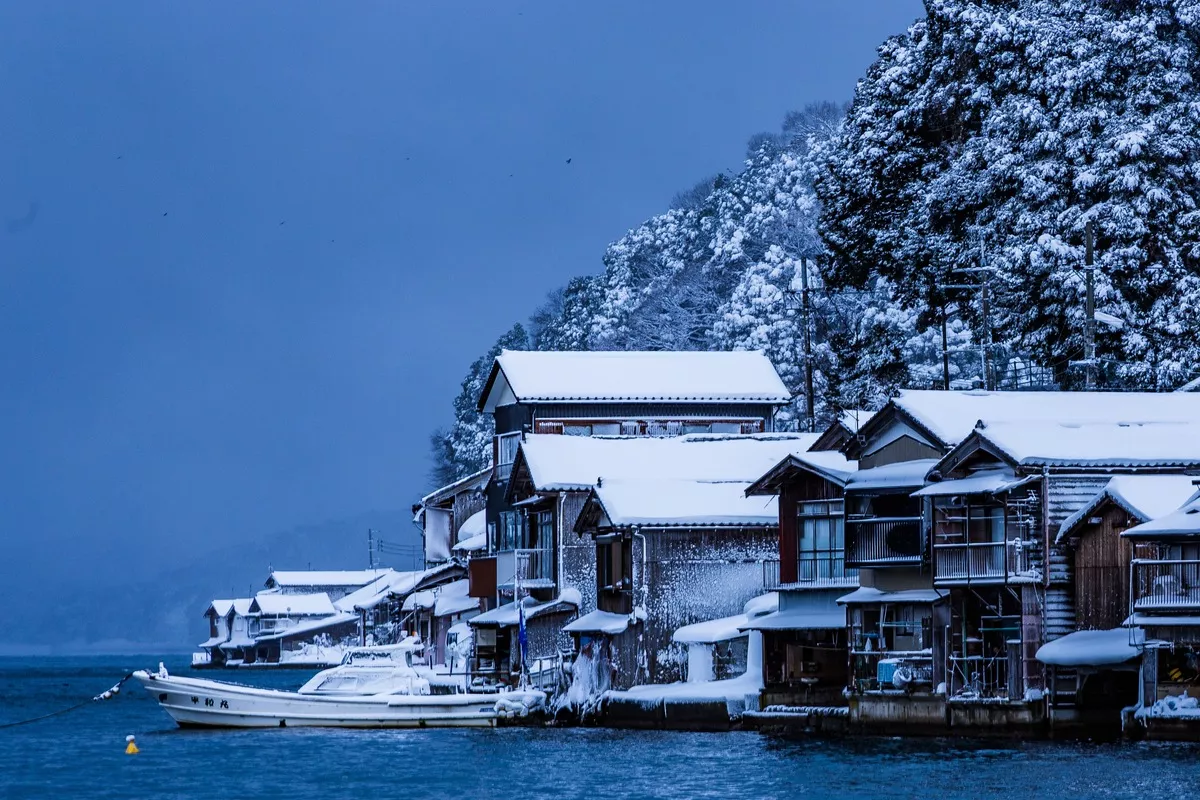
Though these areas are far from central Kyoto, viewing the pine groves and funaya (boathouses) from the sea creates an impression that differs greatly from inland Kyoto sightseeing.
Amanohashidate Sightseeing Boat | View the Roughly 3.6-Kilometer Pine Grove from the Sea
The Amanohashidate sightseeing boat suits those who want to add a sea-level perspective to the experience of walking the roughly 3.6-kilometer pine grove.
It connects the Amanohashidate pier and the Ichinomiya pier across Aso Bay in about 12 minutes, and Amanohashidate seen from the boat feels different from the view from an observation deck or the impression on foot, making the long, narrow terrain and the spread of the bay easier to sense.
Feeding the seagulls may sometimes be offered, but since this brings you close to the birds, follow the cautions on the boat and at the boarding area.

Amanohashidate Motorboat | Enjoy the Exhilaration of the Sea Even in a Short Time
The Amanohashidate motorboat suits those who want to enjoy water travel with more of a sense of speed than the sightseeing boat.
Courses around Aso Bay and Miyazu Bay are offered, letting you feel the sea around Amanohashidate in an active way.
Reservations are required, so it goes smoothly to check the official information after deciding your group size and boarding location.
Ine Bay Cruise | See the Boathouse Townscape from the Sea in About 25 Minutes
On the Ine Bay cruise, you can view the scenery of the funaya (boathouses) built facing the sea from within the bay over about 25 minutes.
Generally 1,200 yen for adults and 600 yen for children, it lets you appreciate how close the buildings are to the sea, which is hard to see from a land-based walk, and is an experience that makes it easy to feel the daily life of Ine and its fishing-village culture.
Since Ine is also a place where people live, when strolling after getting off the boat, do not enter private property, and don't forget consideration for those around you when taking photos.
Amanohashidate Sea Kayaking | Paddle Yourself and Get Close to the Water
In Amanohashidate, there is also an experience of enjoying the scenery from a viewpoint close to the sea's surface by sea kayak.
Programs with an instructor are offered, and rental wear and shoes are available too, so even first-timers can readily take on this waterside activity if they meet the participation conditions.
Since it is easily affected by sunlight and wind, prepare following the official information, such as a hat, drinks, and clothing that can get wet.
How to Choose Kyoto's Waterside Experiences by Season and Weather
With waterside activities, even in the same place, the visible scenery and comfort change with the season.
Some days are best for scenery such as cherry blossoms (late March to early April), fresh green leaves, and autumn foliage (mid- to late November), while others are better for cool summer evenings and sea breezes.
Thinking about each season this way makes it easier to choose an experience that suits the time of your visit.
| Season | Suited Experience | Points to Note |
|---|---|---|
| Spring | Fushimi boats | Confirm reservation |
| Early summer | Kawayuka dining | Guard against chill |
| Summer | Cormorant fishing | Guard against heat |
| Autumn | Hozugawa River | Mind the crowds |
| Winter | Sea of Kyoto | Prioritize warmth |
In Spring and Autumn, Choose a Boat Trip with Scenery in Mind
In spring (cherry blossoms from late March to early April) and autumn (autumn leaves from mid- to late November), the riverside trees and the coloring of the mountains shape the impression of your trip.
The Fushimi Jikkokubune, the Hozugawa River Cruise, and the Arashiyama Tsūsen yakatabune are good options for enjoying the changing scenery together with a walk around the area.
In Summer, Make Use of Late Afternoon Onward and the Coolness of the Waterside
Summer in Kyoto can feel intensely hot during the day, so experiences enjoyable from late afternoon onward, such as cormorant fishing on the Uji River and in Arashiyama, or kawayuka dining at Kamogawa and Kibune, also become good options.
However, if you will spend a long time outdoors, be mindful of staying hydrated and taking breaks, and on days when you feel unwell, it is important not to overdo it.
On Rainy or Windy Days, Respect Cancellation Decisions
Boats and kayaks can have their operations change due to wind or water levels even when it is sunny.
Since suspension of operations is a decision made for safety, having a backup plan such as a waterside stroll, indoor facilities, or a meal makes your whole trip less likely to fall apart.
Reservations, Clothing, and Etiquette for First-Timers
For travelers visiting Japan, what tends to cause confusion with Kyoto's waterside experiences are reservation methods, what to wear on the day, and the right distance when taking photos.
As long as you check the official information and remain considerate of nature and of places where people live, even first-timers can enjoy it calmly.
Especially for experiences close to rivers or the sea, give priority to safety-related guidance.
Let's organize the basic etiquette in a way that makes the differences in behavior clear.
| Situation | OK | Avoid |
|---|---|---|
| Before boarding | Confirm operation | Showing up late without notice |
| On the boat | Move quietly | Leaning out |
| Photography | Check your surroundings | Photographing private property |
| Clothing | Easy to walk in | Shoes weak against water |
| Riverside | Follow guidance | Entering off-limits areas |
Confirm Reservations on the Official Website or Operating Counter
Even for the same boat, the reception method and fares can differ for shared, private, meal-included, and seasonal-event options.
Even when using a travel booking site, checking whether the boat is operating, the meeting point, and the same-day reception time in the operator's official information helps avoid mix-ups.
Choose Clothing That Is Easy to Walk In and Can Handle Getting Wet
Even on a day when you are only boarding a boat, comfortable walking shoes are reassuring for the path to the boarding area and on the pier.
For experiences close to the water, like rafting and sea kayaking, assume you will get wet and bring a change of clothes, a waterproof bag, and a hat for sun protection, even in summer.
Don't Forget Consideration for Places Where People Live When Taking Photos
The funaya of Ine, the waterside of Fushimi, and the riverside of Uji are tourist areas and at the same time places where local people live.
When people's faces, shop interiors, private property, or homes will appear in the frame, be conscious of whether it is a place you may photograph, and avoid close-up photography without permission.
When You Book Kawayuka Dining, Check Each Restaurant's Rules
The kawayuka dining of Kamogawa, Kibune, and Takao is a Kyoto-style experience of enjoying a meal by the water.
The seat types, reservations, handling in rainy weather, and clothing guidelines differ by restaurant, so it is reassuring to check the official information of the restaurant you want to use before adding it to your plans.
Summary
Kyoto's river cruises and waterside activities differ greatly in appeal by area: the nature of the Hozugawa River Cruise, boating in Arashiyama, the history of Fushimi and Uji, and the sea scenery of Amanohashidate and Ine.
On a first trip to Japan, rather than forcing several areas into one plan, decide what to center on—a boat trip, a seasonal event, an active experience, or kawayuka dining—to make the itinerary easier to build.
Since waterside experiences are affected by weather and safety decisions, it is important to check the official information on the day and to enjoy them with enough flexibility to make changes.


Reviews (0)