


Experience Nature and Prayer as One Story at Natadera Temple
The appeal of Natadera Temple lies not in simply counting its buildings in order, but in walking through and interpreting a landscape where rocky mountains, trees, approaches, and temple halls and pagodas are interconnected.
By first considering how the entire temple grounds fit together, the dramatic rock formations and quiet moments of worship remain with you as a single experience rather than separate impressions.
See the Rock Formations as the Heart of the Temple Grounds
Kigan Yūsenkyō, a rock wall with numerous caves and uneven surfaces rising among the trees, is the landscape that symbolizes Natadera Temple.
After viewing its outline from a distance, shift your attention to the color of the rock face, the arrangement of its openings, and the boundary with the vegetation. This makes it easier to consider how the natural formations relate to the placement of the temple buildings.
Learn About Hakusan Worship Before You Begin Walking
Natadera Temple is deeply connected with Hakusan worship and continues to convey a reverence for nature today.
Rather than treating the rocks and forest as mere subjects for photography, see them as the environment surrounding a place of prayer. This is the first step toward appreciating the tranquility of the temple grounds.


Shift Your View from Distant Scenery to Fine Details
An easy way to understand the grounds is to first take in the distant rock scenery, continue along the approach, and then move closer to the architectural details.
Areas open to visitors and designated routes may change, so use the guidance at the entrance and signs on site as your reference.
Take in the Full View of Kigan Yūsenkyō from the Viewpoint
Do not assume that you need to approach the rock wall. Instead, view its differences in elevation and the series of caves from the designated viewing area.
In areas where entry is restricted for safety and landscape protection, do not cross fences or signs. A telephoto setting or binoculars will let you continue observing from a distance.
Follow the Transition from Nature to Architecture Along the Approach
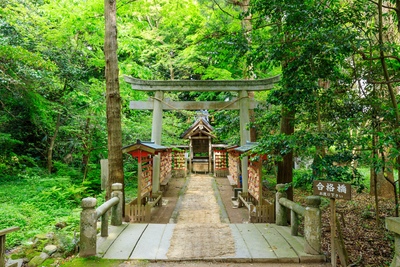
On paths surrounded by moss and trees, notice the texture underfoot, sunlight filtering through the leaves, and the points where temple buildings begin to appear.
Switching your focus as shown in the following table can help you organize your impressions even during a short visit.
| Scene | What to Notice | Suggested Action |
|---|---|---|
| Distant rock scenery | Outlines of caves and the rock wall | Stop and view the whole scene |
| Forest approach | Changes in moss, trees, and light | Proceed quietly without blocking others |
| Around the temple buildings | Relationship between roofs, wooden frameworks, and rock | Look at the details after worshipping |


Connect Natadera Temple’s Founding and Revival with the Landscape
Natadera Temple has carried its faith through a long history and was restored after periods of hardship.
Rather than memorizing dates, consider how the activities of each era led to the landscape you see today. This gives your visit greater depth.
Discover Taichō’s Founding and the Memory of Iwaya-dera
According to tradition, Natadera Temple was founded by Taichō in 717, the first year of the Yōrō era, and was originally called Iwaya-dera.
Understanding why rock caves were regarded as places of prayer makes it easier to imagine the meaning behind incorporating the rocky landscape into the temple grounds.
See the Revival Led by Maeda Toshitsune in the Buildings
After declining due to warfare and other hardships, the Main Hall, Three-Storied Pagoda, Goma Hall, and other structures were developed in the Edo period under Maeda Toshitsune, lord of the Kaga Domain.
Notice how the restored temple buildings do not displace the natural terrain but instead sit within it. This reveals the connection between history and the landscape.


Understand the Form of Worship Through Rock Caves and Temple Buildings
At Natadera Temple, both the movement into the rock and the upward gaze at the temple buildings from outside shape the worship experience.
Remember that this is a religious site, and respect the designated route, photography signs, and areas open to visitors.
Observe Where Rock and Architecture Meet Around the Main Hall
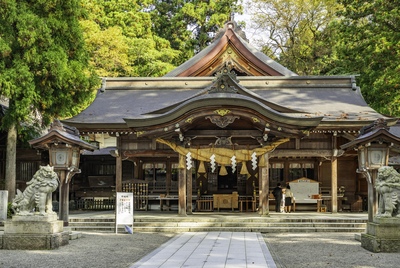
Around the Main Hall, which is connected with the rock caves, observe not only the building’s form but also how its roof and walls meet the rocky terrain.
If guidance is provided for experiences such as tainai-kuguri, do not rush when it is crowded. Check your footing and keep a safe distance from the person ahead.
Step Back to See the Outlines of the Three-Storied Pagoda and Goma Hall
Do not look at the temple buildings only from the front. Notice how they appear around bends in the approach and between the trees to appreciate the depth of the temple grounds’ design.
Before focusing on close-up photography, bow once and view the buildings quietly from a position that does not obstruct worshippers or ceremonies.


Be a Visitor Who Protects the Cultural Properties and Scenic Site
The Important Cultural Property buildings and the designated scenic landscape can be passed on to future generations through small acts of consideration by every visitor.
Natadera Temple Grounds (Strange Rock Formations) is nationally designated as a Place of Scenic Beauty, while buildings including the Main Hall, Worship Hall, Karamon Gate, Three-Storied Pagoda, Goma Hall, and Bell Tower are nationally designated Important Cultural Properties.
Extend the basic rules of not touching, entering restricted areas, or taking anything away to moments of photography and rest as well.
Treat Fences and Signs as Boundaries for Landscape Protection
Around the unusual rocks and gardens, view entry restrictions not as obstacles to the scenery but as boundaries that balance safety and conservation.
Do not move fallen leaves or moss to improve a composition or climb onto rocks. Observe without changing the conditions of the site.
Be Mindful of Noise and Where You Stop
Simply keeping your voice down and avoiding long stops in the middle of paths or at places of worship helps preserve the calm of the temple grounds.
If you encounter a group, do not hurry to the next spot. Wait in a wider area and move on after the flow of people has settled.

Adapt How You Observe to the Season and Weather
The appearance of the trees, moss, and rock surfaces changes with the season, rain, and the angle of the light.
Instead of visiting only for a particular peak season, carefully notice the colors and textures available under the day’s conditions. This makes your visit less dependent on crowds or weather.
Put Your Footing First on Rainy or Snowy Days
Stone steps and areas near moss can become slippery when wet, so take shorter steps and choose a position where you can use a handrail if one is available.
Snow or heavy rain may also change the areas open to visitors. Check official notices before your visit and follow guidance on site.
Read the Light and the Flow of Visitors When Taking Photos
Use a wide-angle view to capture the relationship between the rock scenery and temple buildings, a standard focal range for the depth of the approach, and a telephoto view for carvings and roof outlines. This helps prevent every photo from looking alike.
Tripods and holding a spot for a long time can obstruct passage or prayer, so confirm whether they are permitted and switch to handheld photography when it is crowded.
Check Current Admission and Transportation Conditions When Planning
Admission hours, fees, areas open to visitors, and public transportation schedules may change.
Check official information in 2 stages—on the day before your visit and again before departure—then make your final decision based on the signs at the entrance after you arrive.
Use Different Sources for Different Types of Information
Check the temple’s official information for admission and guidance within the grounds, municipal or official tourism sources for local transportation and regional information, and transportation operators for service on the day.
Using the following table as a checklist can help prevent missed confirmations.
| Item to Check | Main Source | When to Check |
|---|---|---|
| Admission hours and fees | Natadera Temple official information | When planning and before departure |
| Open areas and events | Natadera Temple official notices | The day before and upon arrival |
| Bus service and road conditions | Transportation operators and regional official sources | The day before and on the day |
Leave Extra Time in Your Visit
Plan not only for travel time but also for checking guidance at the entrance, worshipping, waiting during busy periods, and taking breaks.
Rather than rushing to see everything, set priorities around 3 themes—the unusual rocks, the approach, and the temple buildings—so you can easily shorten the visit to suit your energy level.
Summary: Carefully Trace the Relationship Between Nature and Temple Buildings at Natadera
By viewing the rock scenery of Kigan Yūsenkyō, the forest approach, and the architecture nestled against the rock caves in sequence, Natadera Temple lets you experience Hakusan worship and respect for nature in a tangible way. Shift your view from distant scenery to fine details, remain considerate of the cultural properties and other worshippers, and adapt your route to the weather and the areas open to visitors. Check admission and transportation conditions through official information and leave extra time in your schedule to make room for quiet discoveries during your visit.



Reviews (0)