


Yuwaku Onsen: Enjoy Hot Springs and Culture in a Mountain Village
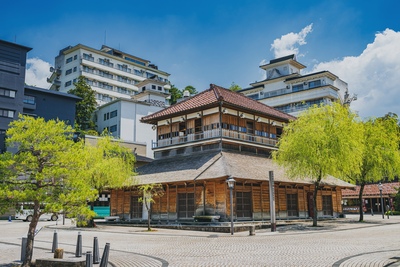
Located southeast of central Kanazawa, Yuwaku Onsen is a hot spring destination where traditional inns nestle among the mountains. It is often described as “Kanazawa’s inner retreat.”
Rather than making a round trip solely for a bath, combine the townscape and surrounding nature with cultural facilities dedicated to Takehisa Yumeji and life in the Edo period. This gives you a richer sense of how time has shaped the area.
Facility hours and accessible walking areas may change, so check the latest information on the day and plan an itinerary with time to spare.
Get Oriented: Check the Town’s Size and Elevation Changes
Start by looking at a local map and locating the bathing facilities, inns, cultural attractions, and rest areas.
In a mountain village, even a short distance can become more demanding because of slopes or weather. Deciding your walking order in advance will help you explore at a relaxed pace.
Instead of trying to visit every place, choose 1 experience from each of 3 categories—hot springs, culture, and nature—to give your stay a clear focus.
Walk Responsibly Through the Hot Spring Town
The hot spring town is both a visitor destination and a living community of inns and homes.
Do not block entrances to properties or buildings. Keep your voice down, avoid taking photos without permission, and use the designated paths.
Visibility may decrease after dusk, so stay within illuminated areas and do not enter private property.


Trace Yuwaku’s Past Through Legends and Kaga Domain History
Yuwaku Onsen is a historic hot spring village, and tradition holds that the lords of the Kaga Domain also visited for therapeutic bathing.
Knowing this background makes it easier to imagine that the hot springs were not only a place to rest the body, but also a point of exchange connecting the castle town of Kanazawa with the mountain village.
Distinguish Historical Facts from Local Legends
Old hot spring destinations often have stories about their discovery and traditions describing their long history.
Appreciate these stories as memories of how the community has cherished its hot springs, while avoiding firm conclusions about dates or people beyond what local explanations state.
If information boards and museums present different accounts, compare when each version began to be told.
View the Landscape with Its Distance from the Castle Town in Mind
Unlike the gardens and machiya townhouses of central Kanazawa, Yuwaku brings mountain slopes, trees, and hot spring inns into close proximity.
Watching the scenery change as you leave the city makes it easier to imagine the time that feudal lords and travelers spent journeying into the mountains.
Do not judge the journey only by convenience; enjoy the contrast between the city and the hot spring village as part of the trip.


Plan Time Before and After Bathing to Enjoy the Hot Springs Safely
Whether you visit for a day bath or stay overnight, plan not only the time spent in the water but also travel, changing clothes, hydration, and rest.
Bathing procedures vary by facility, so always give priority to posted instructions and guidance from staff.
Check Your Condition and Belongings Before Bathing
If you are hungry, have just eaten, or feel extremely tired, do not rush into the bath. Rest first.
Check how to handle towels and clothing, where to store valuables, and how to use the washing area, while sharing the space considerately with other bathers.
Do not treat the benefits of hot springs as a substitute for medical care. If you have a chronic condition or concerns about bathing, follow the advice of a medical professional.
Avoid Long Walks Immediately After Bathing
After bathing, drink water and sit down to check how you feel before moving to your next destination.
On days with steep slopes or large temperature changes, adjust your clothing and keep walking distances short.
When using a footbath, check locally whether it is available, its hours, and its cleaning status. During busy periods, do not occupy it for a long time.
| Stage | What to Check | Suggested Approach |
|---|---|---|
| Before bathing | Your condition, bathing procedures, and valuables | Read the instructions and prepare without rushing |
| While bathing | How the water temperature feels and other bathers | Do not stay in too long; remain quiet and share the space |
| After bathing | Hydration, your condition, and the temperature difference outdoors | Rest before beginning a short walk |


Discover Hot Spring Culture Through Takehisa Yumeji and Relocated Historic Buildings
The area around Yuwaku Onsen is home to the Kanazawa Yuwaku Yumeji Museum (Kanazawa Yuwaku Yumeji-kan) and Kanazawa Yuwaku Edo Village, offering perspectives on local culture beyond the hot springs.
If you visit the 2 facilities on the same day, consider the concentration required to view the exhibits and the walking time, then plan how to fit them around your bath.
Explore the Art and Story Behind Takehisa Yumeji’s Stay
The Kanazawa Yuwaku Yumeji Museum introduces the connection between Yuwaku and Takehisa Yumeji, who is known as a poet and painter.
The museum is described as having been established in recognition of Takehisa Yumeji’s stay at Yuwaku Onsen in 1917, Taishō 6.
Look beyond the figures and designs in his works and consider how Yumeji spent his time here to gain a clearer view of the hot spring town’s cultural side.
Special exhibitions and hands-on activities vary by exhibition period, so check the museum website for dates and closure information.
Compare Different Buildings at Kanazawa Yuwaku Edo Village
Kanazawa Yuwaku Edo Village preserves and displays residences built during the Edo period after relocating them to the site.
By comparing the exteriors and floor plans of samurai homes, machiya townhouses, and farmhouses, you can see how ways of life differed according to social position and occupation.
Follow on-site instructions about which interiors may be entered and how photographs may be taken, and avoid placing strain on pillars and fittings.


Enjoy the Mountain Village’s Nature After Checking Access Information
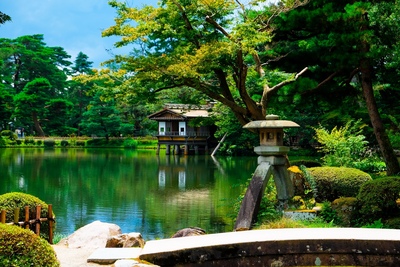
Trees, waterside scenery, and mountain air shape the atmosphere of Yuwaku’s hot spring town, but nature-viewing areas are not necessarily open at all times.
Gyokusen Lake (Gyokusenko) has been closed to visitors since September 7, 2026, as a measure to manage aquatic plants, and will remain closed for the time being.
Do Not Try to Look into Closed Areas from Outside
If a gate is closed or a road-closure sign is posted, do not continue beyond it. Choose another area for your walk.
Even if a path appears in older photographs or maps, current local management conditions take priority.
Immediately before your visit, check announcements from the Yuwaku Onsen Tourism Association to see whether the closure remains in effect.
Judge Seasonal Scenery by the Weather and Conditions Underfoot
The timing of fresh greenery, autumn leaves, and snowy scenery varies from year to year, while rain and snow also change road conditions.
Wear shoes with good traction, and watch the boundary with the roadway when an umbrella limits your visibility.
In heavy rain, heavy snow, thunderstorms, or other conditions that make safety difficult to ensure, shorten your walk and switch to a plan that keeps you inside a facility or inn.
| Purpose of Visit | Options | Check in Advance |
|---|---|---|
| Relax in a hot spring | Accommodation facilities, day-use bathing, and footbaths | Availability, reception procedures, and what to bring |
| Experience culture | Yumeji Museum and Edo Village | Closure days, special exhibitions, and accessible areas |
| Enjoy nature | Open walking routes and townscapes other than Gyokusen Lake | Closure information, weather, and road conditions |


Plan Transportation and Your Stay to Make the Most of a Mountain Village Trip
When traveling to Yuwaku Onsen, check your return transportation and departure time as well as your outbound journey.
You can reach Yuwaku Onsen from Kanazawa Station by car or local bus.
An overnight stay and a day trip offer very different amounts of time, so narrow your plan to experiences that fit your purpose.
Build a Public Transportation Plan Around Your Return Time
If you use a bus or other public transportation, plan not only for the last service but also for the option of returning 1 service earlier.
Schedules and stops may change, so check the transport operator’s service information on the day of departure.
While waiting, stay off the roadway and remain in the designated area without obstructing others.
Give Pedestrians Priority Even When Driving
Visibility and road width vary on mountain roads and in the hot spring town. Reduce your speed and use designated parking areas.
Confirm parking conditions with your inn or facility when making a reservation, and avoid parking on the street or entering private property.
Drivers should also check how they feel after bathing. If you are drowsy or tired, rest sufficiently before departing.
Summary: Connect Yuwaku’s Hot Springs and Culture at a Relaxed Pace
Yuwaku Onsen is a mountain village where you can bathe in hot springs, see exhibitions connected to Takehisa Yumeji, and explore relocated Edo-period buildings.
Taking breaks before and after bathing and combining cultural facilities only after checking exhibition dates and closure days will make for a comfortable stay.
Because Gyokusen Lake has been closed for the time being since September 7, 2026, respect access restrictions and choose another way to spend your time.
Decide your transportation and return time first, then experience Yuwaku’s history and atmosphere while respecting the life of the local community.


Reviews (0)