


Getting to Jakkō-in Temple: A Slow Walk Through Ōhara's Village Paths
Jakkō-in is a Tendai Buddhist convent (a temple run by nuns) in Ōhara Kusao-chō, Sakyō Ward, Kyoto City, and its grounds lie at the end of a walk through a quiet mountain hamlet.
On the way from the bus stop to the temple, fields, farmhouses, and mountain ridgelines gradually draw closer, so you can savor the walk itself as your entry into the Ōhara countryside.
Jakkō-in is about a 15-minute walk from the Kyoto Bus Ōhara bus stop.
Check Your Return Bus at the Ōhara Bus Stop
Before you start walking, confirm the stop for your return trip, the timetable, and which direction you'll ultimately be heading back.
At forks in the road, don't rely solely on the map on your phone; follow the local signposts pointing toward Jakkō-in and any traffic signs along the way.
Visibility changes on rainy days and in the evening, so choose an itinerary that gets you back while it's still light.
Stone Steps and the Sanmon Gate: Where the Village Gives Way to Sacred Space
At the temple entrance, raise your gaze in turn from the stone steps to the sanmon (main gate) and then to the layers of trees, and you'll see how the approach is designed to carry you from the village into a place of prayer.
When taking photos, don't block the middle of the steps; leave enough room for worshipers to pass safely.
Where fallen leaves or moss make the ground slippery, focus on your footing before thinking about photos.


Jakkō-in History: Separating Legend from Historical Fact
According to Jakkō-in's own tradition, the temple was founded by Prince Shōtoku (Shōtoku Taishi) to pray for the repose of Emperor Yōmei.
Because the accounts of the first abbess and the nuns who followed include legend, read them with respect for the way the temple itself tells them, rather than restating them as established historical fact.
Tracing the Convent's Story Through Its Successive Abbesses
The temple's history describes how the convent's Buddhist lineage passed from Tamateru-hime, said to be the first abbess, to Awa no Naishi and then to Kenreimon-in.
Rather than simply memorizing names, it's easier to make sense of the temple's long history if you note when each figure was associated with the temple.
Read the on-site explanations and stay aware of where legend ends and the documented record begins.
Kenreimon-in and Her Prayers at Jakkō-in
Kenreimon-in (Taira no Tokuko) was the daughter of Taira no Kiyomori; after the Battle of Dan-no-ura, she is said to have entered Jakkō-in and spent her days praying for the souls of the Taira (Heike) clan and Emperor Antoku.
When you set the memory of the Heike's former splendor against the stillness of Ōhara, the sense of impermanence portrayed in The Tale of the Heike (Heike Monogatari) comes alive in the scenery of the temple grounds.
When visiting places such as the site of her hermitage (Go-anshitsu ato), don't treat them merely as photo spots; approach them quietly as places of prayer.


The Main Hall: A Story of Fire and Restoration
Jakkō-in's main hall (hondō) and its former principal image were badly damaged by fire, and the present worship space was created after a process of investigation, repair, and restoration.
The burned main hall was rebuilt and restored to its present form in 2005 (Heisei 17).
Rather than assuming the old building has survived intact, it's important to distinguish between the architectural style that was passed down and the parts that were newly rebuilt.
What to Look for on the Exterior: Roof, Shitomido Shutters, and Timberwork
In front of the main hall, let your gaze move in turn to the texture of the roof, the shitomido (hinged lattice shutters) on the facade, and the relationship between the pillars and the veranda.
Knowing that the timber framework and building materials that survived the fire were studied during reconstruction helps you understand that the restoration was not simply new construction.
Stepping back for a wider shot may bring you close to the pond or a drop in the ground, so check your footing first.
Worshiping the Jizō Bosatsu Statue and Understanding Its Restoration
The main hall enshrines a standing statue of Jizō Bosatsu (a bodhisattva widely revered in Japan) whose shape and size were recreated based on the fire-damaged former principal image.
Keep in mind that the statue is not merely a stand-in for a cultural property but an object of faith that has been consecrated in an enshrinement ceremony.
Follow the notices posted on the day regarding photography and access, and inside the hall, give priority to those who are worshiping.
Three Ways to Look at the Main Hall
The following perspectives can help you distinguish the main hall's history, architecture, and religious significance.
| Perspective | What to Notice | What to Do |
|---|---|---|
| History | Fire and restoration | Read the temple's explanations |
| Architecture | Roof and shitomido shutters | Observe individual features of the exterior |
| Faith | Jizō Bosatsu | Pray quietly |


Ponds, Cherry Blossoms, and the Bell Tower: Reading the Scenery of The Tale of the Heike
The garden in front of the main hall features ponds, cherry trees, and a bell tower, which offer clues linking Jakkō-in's history to the Ōhara Gokō (the Retired Emperor's Visit to Ōhara) episode of The Tale of the Heike.
Instead of hunting for the literary setting as if it were a photo to recreate, imagine the world of the story from the way the water, plants, and buildings are arranged.
Migiwa Pond: Views of the Water and Main Hall
At Migiwa no Ike (Migiwa Pond), move your eyes from the water's surface to the plants along the bank and then to the outline of the main hall to grasp the depth of the garden.
The pond is worth a look beyond cherry blossom season: it also reflects fresh spring leaves, falling autumn leaves, and winter snow, creating a different scene in each season.
Observe from the path, without leaning out over the edge of the pond or stepping into the planted areas.
Shihō Shōmen Pond: Watch the View Change as You Walk
Shihō Shōmen Pond, east of the main hall, is designed to be viewed from all four sides. Notice how the plants and water look different as you move along the surrounding path.
Don't settle on a single front view; change where you stand within the safely walkable area and compare how the foreground and background relate.
After rain, the paths and stones can be slippery, so if you're unsure of your footing, don't push yourself to walk all the way around.
The Bell Tower: Linking Sound and the Sense of Impermanence
At the water's edge of the pond in front of the main hall stands a bell tower housing a temple bell known as the Bell of Shogyō Mujō (the Bell of Impermanence).
Rather than treating the bell as a mere backdrop, imagine its sound spreading through the mountain valley and let it resonate with the sense of impermanence that runs through The Tale of the Heike.
Follow on-site guidance about the bell and access to the tower, and don't touch it without permission.


Keep a Respectful Distance at Sites Linked to Kenreimon-in
Deep within the grounds is a spot said to be the site of Kenreimon-in's hermitage, and behind the temple to the east lies Ōhara Nishi no Misasagi (Ōhara West Imperial Mausoleum).
Both are places tied to history and the remembrance of the dead, so visit them quietly rather than treating them simply as sightseeing photo spots.
At the Hermitage Site, Take in the Surrounding Landscape
Don't focus only on the stone monument; look at the surroundings that shaped this place of seclusion, such as the mountain behind, the village in front, and the water flowing nearby.
Remember that the setting described in The Tale of the Heike dates back centuries and may differ from the landscape you see today.
On narrow paths and steps, leave space between you and your companions, and give way to other visitors.
Show Respect at Ōhara Nishi no Misasagi as an Imperial Tomb
If you head to Ōhara Nishi no Misasagi, keep in mind that its management and rules for visitors may differ from those of Jakkō-in's grounds.
Check the gates and posted notices, and do not enter restricted areas or leave personal belongings at the tomb.
After quietly putting your hands together in prayer, don't occupy the spot for long; make way for the next visitor.

Best Time to Visit Jakkō-in: Seasonal Scenery and How to Prepare for the Walk
Ōhara lies in the mountains, and both the scenery and the conditions underfoot change with the blossoms, fresh greenery, autumn foliage, and snow.
Rather than chasing a single peak moment, compare how the season shows itself on the stone steps, the pond, the main hall, and the village paths, and you'll find it easier to discover what makes that particular day special.
Spring to Autumn: Watch the Changing Light and Leaves
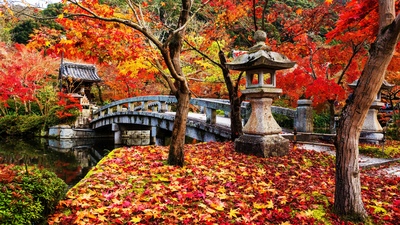
In spring, look for blossoms and budding leaves; in early summer, sunlit translucent leaves; and in autumn, compare the colors of the pond and the fall foliage.
Past blooming or foliage dates are no guarantee for your visit, so check the temple's announcements and official local information shortly before you go.
When it's crowded, don't monopolize photo spots at the sanmon gate or in front of the main hall; take turns quickly so you don't hold up the flow of worshipers.
Winter Safety: Icy Paths and Early Sunsets
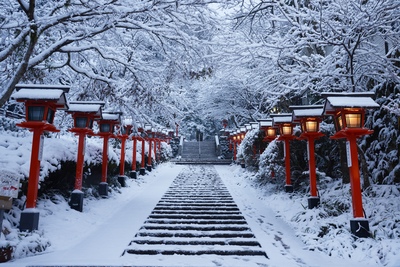
Even if there's a chance to see snowy scenery, don't push on if you can't tell whether the stone steps and village paths are icy.
Wear non-slip shoes and warm clothing, and plan to get back before temperatures drop in the evening.
Be prepared for transportation delays or cancellations, and check your options for getting back in advance.
Seasonal Highlights and Safety Tips at a Glance
Here's a summary of each season's highlights and what to watch out for when walking, so you can compare them before you set out.
| Season | Scenery to See | Cautions |
|---|---|---|
| Spring | Cherry blossoms and the pond | Temperature swings |
| Early summer | Fresh greenery and stone steps | Rain and slippery surfaces |
| Autumn | Fall foliage and the main hall | Crowds and fallen leaves |
| Winter | Snow and the sanmon gate | Ice and cold |
Jakkō-in Opening Hours, Admission, and Access: Check Official Info Before You Go
Opening hours, the admission fee (shinōkin, an offering paid on entry), events, and transportation are subject to change, so check the official information from Jakkō-in and the transport operators before you leave.
Factor into your itinerary not only the trip to Ōhara but also the walk from the bus stop to the temple, time to explore the grounds, and waiting time for your ride back.
Research the Outbound and Return Trips Separately
Check each of the following: the route you'll take, where to board, where to get off in Ōhara, and the return services.
Road conditions can change during peak tourist seasons or due to the weather, so don't pack your schedule too tightly; leave some buffer for delays.
Don't rely solely on screenshots you saved; also check the latest service information when you set out.
You Don't Have to See Every Corner of the Grounds
Bring comfortable, broken-in shoes, rain gear, something to drink, and layers to adjust to the temperature, and pack your belongings so your hands stay free.
If you feel tired or unsteady on your feet, focus on the main hall and garden and save the inner areas for another visit.
If you're traveling with others, match your walking pace and make sure not to get separated at forks or rest spots.
Summary: Jakkō-in Quietly Connects the Heike Legend and the Temple's Restoration
At Jakkō-in in Ōhara, walking the village paths and stone steps and visiting the main hall, pond, bell tower, and sites associated with Kenreimon-in lets the convent's history and the memory of The Tale of the Heike come together.
Appreciate the main hall and principal image with their post-fire restoration in mind, and observe the garden and historic sites while respecting them as places of prayer.
Check official information on visiting, transportation, and seasonal conditions shortly before your trip, and leave yourself enough time and energy for the journey home, so you can fully take in the tranquility of Ōhara.


Reviews (0)