


Jingo-ji Temple in Takao, Kyoto: Your Mountain Temple Visit Begins on the Stone Steps
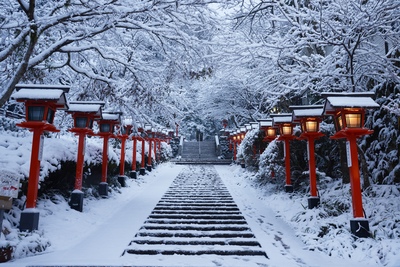
Jingo-ji Temple is located in Takao, in Kyoto's Ukyō Ward, where the temple grounds spread out at the end of an approach that climbs the mountainside from the banks of the Kiyotaki River.
Instead of hurrying just to reach the gate, take in the changing scenery of the riverside, stone steps, and trees one by one, and you'll begin to see how different its setting is from temples in the city.
Check Your Route There and Back near Takao Bridge
Before starting up the approach, locate your return bus stop or parking area and check where the path branches back toward the river.
Don't rely solely on your phone's map; look at the on-site signboards and traffic signs to choose the path that leads to the temple.
After rain or when leaves have fallen, stones and tree roots can be slippery, so adjust your walking pace to the conditions underfoot.
Climb the Stone Steps in Stages and Enjoy the Views
Take the climb at a steady pace; stop at landings or safe open spots to catch your breath and check how you feel.
Even if the climb up doesn't tire you, the way down puts strain on your knees, so save some energy for the return.
When taking photos, don't block the middle of the steps; leave enough room for other visitors to pass safely.
Notice the Shift into the Temple Grounds at the Rōmon Gate
At the Rōmon (two-story gate), compare the curve of the roof, the spacing of the pillars, and the trees seen through the gate, and you'll sense the space shifting from the approach to the temple grounds.
Don't linger too long in front of the gate; check the flow of visitors before proceeding into the grounds.


Jingo-ji History: Tracing Kūkai's Legacy Through the Temple Layout
Jingo-ji is said to be closely tied to the Buddhist monk Kūkai (also known as Kōbō Daishi) and the history of Shingon esoteric Buddhism, and halls that evoke this history are scattered across the mountain grounds.
Rather than just following dates and names, look at where each building sits on the slope to understand how the grounds were laid out as a place of prayer.
Wake no Kiyomaro and the Origins of Jingo-ji
The temple's history tells of its ties to Wake no Kiyomaro, a Nara-period court official, and the events surrounding Takaosan-ji Temple.
Don't treat legends and later reconstructions as belonging to a single period; read the explanations on the grounds and the official guides to distinguish between eras.
Looking back down the approach after learning the history makes it easier to imagine what it meant to maintain a temple deep in the mountains.
Takaosan-ji, founded by Wake no Kiyomaro, is said to have later merged with Jingan-ji Temple and changed its official name to Jingo Kokuso Shingon-ji.
Kūkai is said to have entered Takaosan-ji in 809 (the 4th year of the Daidō era) and made it a base for his Shingon esoteric Buddhist activities.
Explore Jingo-ji's Role in Shingon Buddhist Practice
Rather than treating places associated with Kūkai as mere photo spots, view them as spaces where study, prayer, and temple administration came together.
The Buddhist statues and ritual implements inside the halls are objects of worship, so follow the day's guidance on whether they are open to view and whether photography is allowed.
When reading the explanations, keep your voice down and give priority to memorial services and the flow of worshipers.


The Kondō (Main Hall): Appreciating the Architecture and the Yakushi Nyorai Statue
On the stone steps leading up to the Kondō, the hall's front facade and the surrounding trees gradually come into balance, so moving your gaze from the bottom up reveals the composition.
Remember that the hall, with its principal image at the center, is both a place of worship and a home to cultural treasures.
Observe the Exterior: Platform, Pillars, Then Roof
Raise your gaze in order from the stone platform at the base to the row of pillars and then the spreading roof to get a sense of the Kondō's mass.
Stepping back for a wider shot can bring you close to steps or drops, so check your footing first.
Including the trees on either side, not just the building, lets you capture the scenery along with the mountain temple's setting.
Inside the Hall, Prayer Comes First
When paying your respects to Yakushi Nyorai (the Medicine Buddha), check the worship guidelines and photography rules posted at the entrance or inside the hall.
Even if you want to remember the statue's details, don't get too close; choose a spot where you won't disturb other worshipers' prayers.
Quietly read only the parts of the explanations you need, and make room for others when it's crowded.
The standing statue of Yakushi Nyorai, the principal image of the Kondō, is designated a National Treasure.
What to Look for at Jingo-ji's Main Hall
Dividing your observation of the halls into form, faith, and surrounding scenery helps you organize impressions that photos alone can't capture.
| Focus | Key Points | What to Do |
|---|---|---|
| Architecture | Pillars and roof | View the entire building from the front |
| Faith | Principal image and worship | Follow the in-hall guidance |
| Setting | Stone steps and trees | Look back down the steps |


Kawarake-nage at Jingo-ji: Throwing Clay Discs into the Valley
Kawarake-nage, for which Jingo-ji is famous, is a custom of throwing unglazed clay plates into the valley to ward off bad luck.
Don't make throwing your only goal; check the direction of the Kin'unkei Valley, where to stand, and the people around you before trying it.
Check the Designated Spot and Instructions
Obtain your kawarake following the temple's guidance, and throw them from the designated spot in the designated direction.
Don't throw items you brought yourself or climb over the fence; follow the method set on site.
If it's windy or staff announce a suspension, switch to simply enjoying the view of the valley.
Take In the Valley Before and After Throwing
Rather than competing to throw the farthest, look at the layers of trees, the depth of the valley, and the open sky to feel the mountain's terrain.
Don't lean out while holding your phone; keeping photography and the experience separate lets you focus on safety.
Don't approach the fence to follow where your kawarake lands, and give your spot to the next person once you've finished.


Jingo-ji Autumn Leaves and Green Maples: Savoring Layers of Light
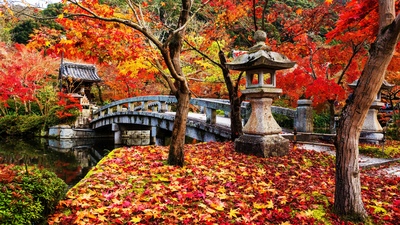
Jingo-ji is known as one of the best spots for autumn leaves in Takao.
Rather than aiming only for peak foliage, combine the leaf colors, the light and shadow on the stone steps, and the outlines of the halls to capture what makes the grounds special that day.
Spring to Summer: Shades of Green
During the aomomiji (fresh green maple leaves) season, compare spots where backlit leaves glow translucent with spots where the shade turns them a deep green.
On sunny days, consider how much the stone steps will tire you, and make sure you have drinks and time to rest.
Don't touch branches or step off the paths; observe the changing light from areas open to visitors.
Autumn: Capture the Leaves Mid-Change Too
Since the progress of the autumn colors depends on temperature and weather, don't take past peak dates as a guarantee for your visit.
Layering in not just red and yellow leaves but also branches that are still green, fallen leaves, and the color of the moss conveys the changing of the seasons.
When it's crowded, don't hog popular photo spots; take turns quickly so the flow of visitors doesn't stop.
Compare What to Look for Each Season
Changing your focus with the seasons, even for the same building, makes it easier to compare your impressions of the grounds.
| Season | What to See | Watch Out For |
|---|---|---|
| Fresh greenery | Translucent leaves | Strong sun |
| Midsummer | Shade and stones | Heat and hydration |
| Autumn leaves | Halls and colors | Crowds and fallen leaves |
| Winter | Branches and roofs | Ice and cold |

Jingo-ji Visitor Info: Check Hours, Admission, and Access Before You Go
Visiting hours, admission fees, events, and transportation are subject to change, so check the official information from Jingo-ji and transportation operators before your visit.
Factor in not only the trip to Takao but also the uphill path and stone steps from the bus stop to the temple grounds.
Check Your Outbound and Return Routes Separately
For public transportation, check your route to the Takao bus stop, your boarding location, and the return service.
During the autumn foliage season and events, there may be crowds and traffic restrictions, so leave room to shorten your stay depending on on-site guidance.
If you're driving, check the conditions for using the parking lots, and don't park on the street or on private property.
Dress for a Mountain Trail
Wear comfortable, non-slip shoes you're used to, and carry a bag that keeps your hands free.
Bring rain gear, drinks, and layers to adjust your body temperature, and plan to head back down before it gets dark.
If you feel tired or unsure of your footing, don't try to see all of the grounds; turn back from a safe spot.
If you're with companions, match your walking pace and call out to each other at junctions and rest spots so no one gets separated.
If you're visiting alone, decide on a return time and how you'll stay in contact, and don't continue onto deserted paths.
Check Information at Different Stages
Separating what you check at the planning stage, the day before, before departure, and on site makes it harder to miss changing information.
Don't rely only on saved screenshots; check service status and visitor information from official sources as of your departure.
Summary: Planning Your Jingo-ji Temple Visit
The walk from the Kiyotaki River up the stone steps to the Rōmon gate, the Kondō, and the viewpoint overlooking the Kin'unkei Valley is an essential part of visiting Jingo-ji.
Visit the halls respectfully and learn about their connections to Kūkai, and enjoy kawarake-nage and the seasonal scenery while following local etiquette and staying safe.
By checking official information on visiting, transportation, and weather just before you go, and saving energy for the descent, you can fully enjoy a visit that brings prayer and nature together.


Reviews (0)