


Ōharano Shrine in Kyoto: Pond, Woodland Paths, and Worship
When you visit Ōharano Shrine (Ōharano Jinja), don't stop at praying at the shrine buildings; also enjoy the approach through the trees and the surface of Koisawa Pond (Koisawa no Ike) as part of the same shrine landscape.
In quiet areas, keeping your footsteps and voice down so other worshippers can focus on their prayers is also part of exploring the grounds respectfully.
Check the grounds map at the entrance, locate where to pray first, and then fit in time to view the pond and trees for a calm, relaxed visit.
Notice How the Approach Changes from the Torii Gate
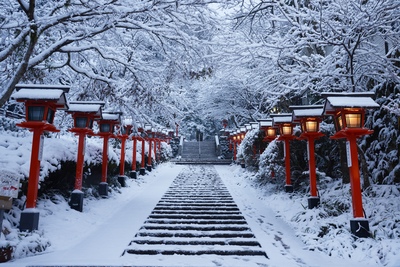
Along the approach, don't just head straight for the shrine buildings ahead; notice how the light and the layering of the trees change each time you pass through a torii gate (a traditional Shinto shrine gateway).
Watching the stones and fallen leaves underfoot as you walk makes it easier to enjoy the scenery while moving safely.
When you stop, avoid the center of the path and leave enough room for worshippers coming from behind to pass.
Pray First to Settle Your Mind
Finishing your prayers before taking photos or admiring the garden lets you explore the grounds while showing proper respect for the shrine.
Check the on-site guidance for the etiquette of temizu (ritual purification of the hands and mouth) and prayer, and when it's crowded, keep some distance from the person ahead and don't hold up the line.
As a rule, quietly view the buildings from the outside, and don't enter areas marked off by fences or signs.


Koisawa Pond: Watching the Sky and Trees Reflected on the Water
By the pond, look not only at the water itself but also at the colors of the sky, branches, and buildings reflected on its surface.
This pond, called Koisawa no Ike, is said to have been modeled after Sarusawa Pond in Nara.
Since the reflections change with the wind and light, waiting a little at the same spot lets you discover different moods.
Alternate Between the Foreground and the Reflections
First look at the plants along the bank and the ripples on the water, then shift your gaze a little farther away to see how the pond relates to the shrine buildings and trees.
Look for reflected shapes when the water is calm and for the subtle play of light when it's windy, and you can enjoy the view whatever the weather.
Don't get so absorbed in taking photos that you get too close to the pond; keep a good distance from fences and the edge of the path.
Don't Disturb the Wildlife Around the Pond
If you see birds or small creatures by the water, don't chase or feed them; observe them from where you are.
Leaving branches and stones where they are is also an important way to help preserve the shrine's environment and scenery.
When walking with children, don't let them run ahead near the water. Keep them close enough for an adult to monitor how near they are to the bank.
Compare Impressions of the Pond by Shifting Your Focus
Looking at each feature in relation to its surroundings, as shown below, helps you notice more of the pond scenery, even during a short visit.
| Focus | What to Look At | Surrounding Features to Notice |
|---|---|---|
| The water surface | Ripples and light | The sky and branches |
| The bank | Leaves and stones | The color of the water |
| The distant view | The outline of the shrine buildings | The trees and reflections |
Rather than staying in one spot hunting for the perfect composition, taking turns at viewing spots while keeping an eye on other visitors lets you enjoy the entire grounds more peacefully.


Ōharano Shrine's Vermilion Buildings and Woodland Setting
When viewing the shrine buildings, pay attention not only to their colors and roofs but also to how they overlap with the trees behind them and the approach in front.
Because Ōharano Shrine enshrines the Kasuga deities, the ujigami (guardian gods) of the Fujiwara clan, it is also known as Kyō-Kasuga (the Kasuga of Kyoto), and statues in the shape of deer stand on its grounds.
Seeing the shrine buildings set among the colors of nature leaves a different impression from viewing the buildings on their own.
From the Front: See How the Roof and Pillars Come Together
From the front, following the rooflines, the spacing of the pillars, and the overall color scheme in turn makes it easier to grasp the structure as a whole.
When examining details near the worship area, don't occupy a spot for long, and give priority to people who have come to pray.
If you want to learn about the history of the buildings, read the on-site signs and the shrine's information, and distinguish between legends and architectural explanations for a deeper understanding.
View the Shrine Buildings and Trees from an Angle
After praying, viewing from a different angle along accessible paths lets you sense the depth of the row of shrine buildings and their distance from the trees.
Don't step into the plantings to create a photo spot; appreciate what you can see from places where you won't get in the way of people walking by.


Cherry Blossoms, Fresh Greenery, and Autumn Leaves at Ōharano Shrine: Enjoying the Colors Along the Approach
Rather than focusing on a single tree, view the seasonal flowers and leaves as colors linking the torii gates, the approach, the pond, and the shrine buildings, and you'll see the scenery that makes these grounds special.
Blooming and foliage timing vary with the climate, so don't expect conditions to match the photos, and check the shrine's announcements before you visit.
Spring: Watch Both the Spreading Branches and Your Footing
Even when gazing up at the blossoms, don't keep looking up while you walk; stop in a safe spot first, then admire the shape of the branches.
If people are crowding around a tree in bloom, another option is to step back a little and see how it blends in with the approach as a whole.
Fresh Greenery: Notice the Play of Light and Shadow
The shades of green change with the direction of the sunlight, so observe not only the color of the leaves but also the shadows falling on the approach and the brightness reflected in the pond.
On days with strong sun, rest in the shade of the trees. Check the shrine's guidance in advance on where and how to drink water on the grounds.
Autumn Leaves: View Them as Layers of Color
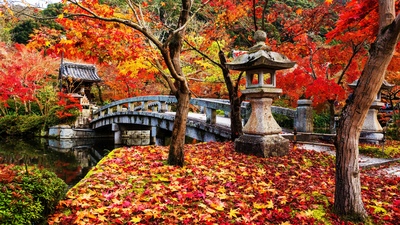
During autumn foliage season, don't just look for red leaves; compare them with the remaining yellows and greens and with the vermilion shrine buildings to sense the layers of color.
Stones and steps covered with fallen leaves can be slippery, so don't step backward to take a photo; stop first, then frame your shot.


Photography Etiquette at Ōharano Shrine: Worshippers and Rituals Come First
When taking photos on the grounds, remember that other visitors use the same spaces for prayer and to move around.
The rules differ between personal snapshots and commemorative shoots involving costumes or a photographer, so if you're planning a special photo shoot, check with the shrine beforehand.
Don't Block Paths or Worship Areas
Don't assume tripods or large equipment are allowed; follow the signs and staff instructions on the day.
Even if you're waiting for a moment with fewer people, don't keep standing in the middle of the path, and move aside promptly after taking your shot.
Be Mindful of Other People in Your Frame
Wide-angle shots of the grounds easily capture other worshippers, so check all the way to the edges of the frame before shooting.
Even for family photos, don't interrupt other people's prayers, and for shoots involving formal attire or a photographer, check the application requirements.

How to Get to Ōharano Shrine: Check Service Frequency and the Final Walk
Transfers and walking distances to Ōharano Shrine vary depending on which station or bus stop you use, so it's wise to research the outbound and return trips separately.
If you're coming by car, keep in mind that the surrounding roads are used by local residents, and give priority to the recommended route and on-site directions.
Public Transportation: Plan Backward from Your Return Trip
When checking timetables, look not only at your arrival time but also at the return services available after your visit and the stop where you'll board.
Service frequency and routes may change, so rely on information from the transportation operators rather than old travel blogs.
For the walk after getting off, use a map to note intersections and turns, and plan so that you won't be hurrying along unfamiliar roads close to sunset.
By Car: Check Road Widths and Parking Conditions
The shortest route suggested by your navigation system isn't always easy to drive, so check the cautions listed in the shrine's access information beforehand.
Parking fees and reservation requirements for large vehicles may change, so check the information that applies to your type of vehicle.
Tailor Your Preparations to How You're Traveling
Organizing what to check for each mode of transportation helps you avoid scrambling once you arrive at the shrine.
| Mode of Transportation | What to Check First | Practical Tips |
|---|---|---|
| Local bus | Round-trip times and bus stops | Enough time not to miss your bus |
| Walking sections | Route and weather | Comfortable walking shoes |
| Private car | Recommended route and parking conditions | Drive considerately on residential roads |
If you plan to combine your visit with nearby temples and shrines, don't judge by how close they look on the map alone; confirm how you'll get around and how much time you'll spend at each before planning your itinerary.
Summary: Quietly Enjoying Koisawa Pond and the Shrine Buildings at Ōharano Shrine
At Ōharano Shrine, with worship at the heart of your visit, you can enjoy the tree-lined approach, the surface of the pond, and the vermilion shrine buildings as one connected landscape.
Rather than fixing on a peak date for seasonal flowers and autumn leaves, observe the colors and light you encounter that day for an experience that depends less on timing.
Plan ahead for photography etiquette and your return transportation. Enjoy a peaceful visit that respects both worshippers and the natural surroundings.



Reviews (0)