


Rokuō-in Temple Guide: Follow the Changing Scenery from the Gate to the Garden
If you're visiting Rokuouin Temple (Rokuō-in) in the Saga area of Kyoto, don't just head straight for the garden and the Shariden (Relic Hall)—take time to enjoy the approach path leading from the main gate as part of the Zen temple's scenery, too.
Slowly taking in the bamboo, moss, and shifting dappled sunlight that appear once you pass through the gate makes it easier to leave the city behind and settle into the temple's atmosphere.
Get Your Bearings in Front of the Sanmon Gate
At the entrance, look in turn at the characters showing the temple's name and its sangō (honorary "mountain name"), the shape of the roof, and the path continuing beyond the gate to get a sense of where you'll be heading.
Read the signs and notices from a spot where you won't block other visitors, and check the admission desk and which areas are open to the public before entering the grounds.
Even at historic buildings, the basic rule is to observe quietly from outside without touching pillars or doors or setting your bags down on the thresholds.
On the Approach, Move Your Gaze from Your Feet into the Distance
At the near end of the approach, look at the textures of the moss and stones, then at the bamboo and trees on either side, and finally shift your gaze toward the far end of the path.
Viewing the scene in order—foreground, middle ground, then background—makes it easier to appreciate the depth created by the long, narrow path and the layers of green.
When you stop, avoid the center of the path and leave enough room for worshipers coming from either direction to pass comfortably.


The Bamboo and Moss Approach: Look at Texture, Not Just Color
Along Rokuō-in's approach, the straight lines of the bamboo contrast with the soft surface of the moss covering the ground.
Instead of only comparing shades of green, notice the swaying leaves, the nodes on the stalks, and the shadows falling on the moss, and you'll sense movement even on this quiet path.
Watch the Vertical Lines of the Bamboo and the Movement of the Wind
When looking up at the bamboo, don't keep staring upward as you walk—stop in a safe spot first, then raise your eyes.
Following the spacing between the stalks, the height where the leaves overlap, and the parts swaying in the wind will reveal how expansive the space around the approach really is.
On very windy days, watch out for falling branches and leaves, and follow any access restrictions or instructions from staff.
Observe How Moisture and Light Change the Moss
Moss looks different in color and texture depending on whether it's in sun or shade, and whether the spot is dry or damp.
Don't step off the path for a closer shot. From the path, look for patches of light on the moss and the contrast with fallen leaves.
After rain, moss and stones can be slippery. Stop to take in the scenery, and check your footing when you start walking again.
How to View the Approach in Stages
Shifting your focus as shown below lets you discover many different faces of the approach, even though it's a short path.
| Viewing Level | Main Focus | Changes to Notice |
|---|---|---|
| At your feet | Stones and moss | Color and moisture |
| Eye level | Bamboo stalks | Spacing and depth |
| Overhead | Leaves and sky | Light and wind movement |
After looking at the details, turn around to take in the whole path and see how the gate and buildings connect amid the greenery.


Rokuō-in Zen Garden: Views from the Corridors
At Rokuō-in, the temple halls are linked by roofed corridors, with a karesansui (dry landscape) garden spreading out between them.
The main garden is a flat, dry landscape garden that incorporates Arashiyama as shakkei (borrowed scenery) and is known for its carpet of moss.
Rather than viewing the garden in isolation, look at it together with the lines of the corridors, the roofs of the buildings, and the arrangement of stones and sand to better understand how the temple grounds are laid out.
Let the Corridors Guide Your Eye
The corridors are walkways for people, but they can also be seen as straight lines marking the edge of the garden.
Gaze at the garden between the pillars and trace how the straight lines in front of you lead to the buildings beyond, and you'll sense the depth created within a limited space.
If you take photos from the corridors, don't linger too long—give priority to other visitors passing through and the quiet of the halls.
Compare the Open Space Around the Stones and Sand
In a karesansui garden, pay attention not only to the prominent stones but also to the expanses of sand left around them and the boundaries with the plantings.
By looking at the distance between the stones and the direction they face, you can imagine flow and rhythm in materials that never move.
Where viewing areas are marked, compare the garden from the front and from an angle while staying within those areas. Take care not to step into the garden.
Watch Building Shadows Fall Across the Garden
The shadows of the eaves and pillars change length with the time of day and the weather, sharpening or softening the outlines of the sand and stones.
Don't think of clear skies as the only ideal—enjoy the gentle contrast of light and shadow on cloudy days and the deepening colors of the materials on rainy days, and your visit will be less dependent on conditions.


Rokuō-in Relic Hall and Arashiyama's Borrowed Scenery
The Shariden enshrines a tooth relic of the Buddha and is the spiritual heart of the temple grounds, and you can view the building and its surroundings across the garden.
Even when admiring architectural details, first keep in mind that this is a place of faith, and give priority to worship and on-site guidance.
View the Shariden from a Designated Viewing Area
When viewing the Shariden, trace in turn the roofline, the grouping of pillars, and its boundary with the garden to grasp the building's form more easily.
Before zooming in on details with a telephoto lens, step back a little and take in the full view created by the garden and the building.
Whether photography is allowed inside the halls or of Buddhist statues and treasures varies by location, so if the signs are unclear, ask at the reception desk.
Layer the Arashiyama Mountains into the Background
The mountains visible beyond the garden overlap with the buildings and plantings, serving as borrowed scenery that adds depth to the temple grounds.
On hazy days, notice the softness of the outlines; on days when clouds are moving, watch the shifting light and shadow on the mountains to savor that day's scenery.
Instead of framing only the mountains, keep the eaves and garden in the shot for a composition that conveys you're viewing them from Rokuō-in.


Rokuō-in History: Ashikaga Yoshimitsu and the Temple's Founding
Rokuō-in is a temple built by Ashikaga Yoshimitsu, the third shogun of the Muromachi shogunate, and its history began with the Zen monk Shun'oku Myōha as its founding abbot.
According to tradition, Yoshimitsu founded the temple in 1379 (the first year of the Kōryaku era), and its formal name is Kakuyūzan Daifukuden Hōtō Zenji Rokuō-in.
Rather than simply memorizing dates, connect the temple's origins to the roles played by the main gate, corridors, garden, and Shariden for a deeper understanding.
Learn the Background of the Temple's Name On Site
Read the temple's information and on-site signs to learn how it was named and founded, and distinguish between legend and documented history.
Even from a short explanation, knowing who built the temple, who served as its founding abbot, and how it has carried on as a temple will change the way you see the grounds.
Keep Both Preservation and Public Viewing in Mind for Cultural Properties
Temple treasures such as Buddhist statues and paintings are objects of worship as well as cultural properties that have been carefully protected over many years.
Don't assume you'll always be able to see the same items; follow the temple's guidance on what's on display and which areas are open to visitors.
Even when items are on display, don't touch the glass or fixtures, and view them quietly with consideration for those waiting behind you.

Autumn Leaves Photography at Rokuō-in: Put Worship and Foot Traffic First
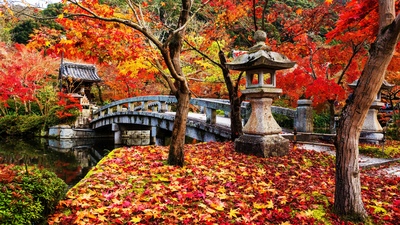
The trees along the approach and in the garden change color with the seasons, and the autumn foliage season in particular tends to draw many photographers.
Because the colors depend on the weather, don't fix a peak period in your mind; check the temple's updates and enjoy whatever colors you find on the day of your visit.
Don't Use the Center of the Approach as a Photo Spot
Even if you want a straight-on shot of the approach, standing in the center for a long time or posing your companions there for extended periods blocks the way.
Instead of reshooting every time someone passes, decide on your composition quickly and step aside as soon as worshipers approach.
Don't assume tripods or large equipment are allowed; check the temple's rules and follow staff instructions.
Avoid Capturing People and Places of Prayer
When shooting the garden or corridors with a wide-angle lens, check all the way to the edges of the frame and be mindful of other visitors' faces and people in prayer.
Inside the halls and around the reception area, it may be better to refrain from taking photos altogether.
When taking photos, give priority to the temple's tranquility and people at prayer.
Shift Your Viewing Focus with the Seasons
Rather than limiting your visit to the autumn leaves, changing what you focus on according to the season lets you enjoy Rokuō-in throughout the year.
| Seasonal Scene | What to Focus On | Scenery to Pair With |
|---|---|---|
| Fresh new leaves (spring) | Shades of green | Bamboo and moss |
| Autumn foliage | Layers of red and yellow | Approach and corridors |
| Sparse leaves (winter) | Lines of branches and buildings | Garden and mountains |
By observing not only blossoms and autumn colors but also light, wind, and moisture, you can appreciate the differences between the seasons as part of the temple's charm.
How to Get to Rokuō-in: Check the Walk from the Station and Your Return Trip
Rokuō-in is within walking distance of train stations and bus stops, but where you get off and which direction you walk depend on the line you use.
If you're combining your visit with other temples and shrines in the Saga-Arashiyama area, don't judge by how close they look on the map—make sure to account for visiting hours and allow extra travel time.
Decide on Your Public Transportation Route First
If you're taking the train, check the station exit and the route to Rokuō-in; if you're taking the bus, check the bus stop and where to catch the bus back.
Timetables and routes may change, so use information from the transportation operators and look up your outbound and return trips separately.
When walking through residential areas, keep your voice down and avoid blocking private property or driveways.
Check Visiting Conditions with the Temple Before You Go
Before you visit, check the temple's official information for current opening hours, admission fees, and any closures or access changes due to events.
Special openings and nighttime viewings may have different conditions from regular visits, so it's important not to rely solely on older articles.
If weather or crowds keep you from sticking to your plan, cut down the number of places you visit and leave plenty of time for your return trip.
Summary: Savoring the Bamboo-and-Moss Approach and Gardens at Rokuō-in
At Rokuō-in, you can quietly savor the changes in light and space as you move from the bamboo-and-moss approach to the karesansui garden and the Shariden.
Viewing the corridors and buildings together with the garden, and letting your gaze extend to the borrowed scenery of Arashiyama, reveals the depth of the grounds and the layout of a Zen temple.
Put worship and foot traffic ahead of photography, check visiting conditions and your return transportation in advance, and spend your time in a way that befits a place of prayer.


Reviews (0)