


Yoshimine-dera Temple in Kyoto: A Guide to the Hillside Grounds
Yoshimine-dera Temple is the place to go when you want to combine praying at its halls and pagoda, admiring the Yūryū no Matsu (Playful Dragon Pine), and taking in tree-framed mountain views.
The temple grounds are full of slopes and stone steps, so don't budget your time as you would for a flat garden; instead, decide how much to explore based on your own fitness level.
Plan Time for Prayer and Sightseeing at the Entrance
When you enter, look at the grounds map and signs to see where the places you want to pray are in relation to the viewpoints you want to enjoy, which makes it easier to get around.
If you set aside time to worship first and then enjoy the trees and views afterward, your visit is less likely to turn into a rush for photos.
Rather than trying to see every spot that catches your interest, choosing the experiences that matter most to you that day will help you spend calm, unhurried time at this mountain temple.
Save Energy for Both the Climb Up and the Walk Down
Even when the view opens up on the way up, you'll need just as much time on the way back to watch your footing.
If you have concerns about walking, check with the temple in advance about steps, slopes, and which parts of the grounds you can explore with a companion's help.
Keep in mind that being able to drive close to the temple is not the same as being able to explore the grounds comfortably, and don't hesitate to skip sections that are too difficult.


Things to See at Yoshimine-dera: The Pine Tree, Halls, and Pagoda
When looking at the pine trees and temple buildings on the grounds, first view each one on its own, then look again while taking in the surrounding scenery.
Paying attention to how the trees grow and to the outlines of the buildings gives you a sense of spaciousness that's hard to notice in photos alone.
Follow the Pine's Horizontal Spread with Your Eyes
With a pine that stretches sideways, we recommend moving your gaze from the trunk out along the branches rather than focusing only on the branch tips.
This horizontally spreading tree is a Japanese white pine (goyō-matsu) called Yūryū no Matsu, and it is designated a National Natural Monument of Japan.
After viewing the whole tree from a distance, observe the layered branches from permitted spots to see how the tree's appearance changes with your viewpoint.
Please don't touch the tree or its supports or step inside the enclosure; quietly enjoy this long-protected pine from the outside.
Notice How the Outlines of the Halls and Pagoda Overlap with the Trees
Comparing the rooflines with the greenery behind them creates a different impression from viewing the buildings head-on by themselves.
In front of the halls, give priority to people who are praying, and even when you stop to look more closely, keep entrances and paths clear.
When reading the signs about the temple's history, you'll understand more if you distinguish accounts of its construction and reconstruction from stories handed down as part of religious tradition.
Switch Between Details and the Full View
Looking at each feature in relation to its surroundings, as shown below, can help you notice more, even from the same spot.
| Focus | What to Look At | Surrounding Features to Notice |
|---|---|---|
| The shape of the pine | From the trunk to the branch tips | The gap between the branches and the ground |
| The forms of the halls and pagoda | The lines of the roofs and eaves | The surrounding trees |
| The depth of the grounds | From the foreground to the back | The slopes and buildings |
After looking at nearby details, raise your gaze a little and check where each feature sits within the grounds.


Views from Yoshimine-dera: Kyoto's Cityscape and Mountain Scenery
At spots with open views, look not only at the distant cityscape and mountain ranges but also at the trees and temple buildings in the foreground.
The layering of near and far scenery lets you truly feel that you're standing on a mountainside.
Don't Fixate on Clear-Day Panoramas
How far you can see depends on the air and the weather, so visit without assuming that particular buildings or mountains will always be visible.
On hazy days, the outlines of distant scenery soften, which lets you enjoy how the branches, leaves, and roof shapes in the foreground stand out.
When visibility is poor, don't keep heading for one high spot after another; switch instead to savoring the scenery in front of you from a place where you can stand safely.
Photo Tips: Decide Where to Stand Before You Shoot
When you want to capture the sweeping view, don't step backward while looking at your screen; check your footing and the people around you first, then raise your camera.
Avoid compositions that require getting too close to the edges of paths or slopes, and adjust your shooting direction and angle of view within accessible areas.
After taking photos, put your device away and take some time just to look, and you'll sense the scenery and the movement of the air that a screen can't capture.


Cherry Blossoms, Hydrangeas, and Autumn Leaves at Yoshimine-dera: Seasonal Colors on the Slopes
Yoshimine-dera's seasonal scenery takes on a different look when you view the colors of the flowers and leaves together with the slopes and temple buildings.
Blooming and foliage timing vary with the weather and other factors, so check the temple's announcements when choosing your date, and don't expect conditions to match the photos.
Cherry Blossoms: Notice How the Branches Meet the Background
When viewing the cherry blossoms, don't just look at the flowers up close; also notice how the lines of the branches overlap the sky and the surrounding trees.
The weeping cherry tree on the grounds is an old tree said to have been planted by Lady Keishōin herself, and you can quietly admire a form nurtured over many long years.
When people gather around the branches with the most blossoms, wait your turn or move to a different spot, and enjoy the view without blocking the flow of worshippers.
Hydrangeas: Compare the Flower Clusters with the Leaves
Comparing the colors of individual hydrangea blossoms with the mass of green formed by the surrounding leaves offers different pleasures up close and from afar.
On rainy days, even if you're drawn to how the flowers look, put your footing first and avoid awkward poses on wet steps just to get a shot.
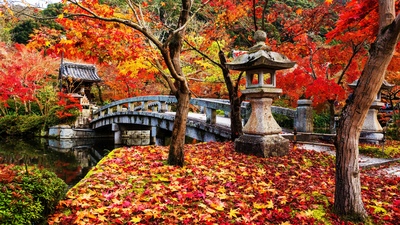
Autumn Leaves: Observe the Shades of Color and the Light
In fall foliage season, don't look only for red leaves; the contrast with patches of lingering green and with shaded trees is also worth seeing.
Observe how the leaves overlap and catch the light. Enjoy the seasonal colors from where you are, leaving every branch undisturbed.


What to Wear and Bring for Yoshimine-dera's Slopes and Stone Steps
When preparing to explore a mountain temple, it's reassuring to consider not only the walking distance but also the ups and downs and how you'll handle rain and wind.
Carry your belongings so that both hands stay free, and avoid holding camera gear or maps the whole time you're walking.
Choose Shoes and Bags with Walking in Mind
Wear comfortable, non-slip shoes you're used to, and make sure you can see where you're placing your feet when going down stone steps.
Pack a light jacket and rain gear where they're easy to reach, and if you're traveling with children, match their walking pace and reconsider how much to cover before fatigue sets in.
Adjust Your Plans to the Weather
Preparing for different weather isn't just about packing more; combine it with changing how you move around the grounds.
| Conditions | What to Prepare | How to Adjust |
|---|---|---|
| Strong sun | A hat or other sun protection | Avoid staying too long |
| Rain | Rain gear that's easy to walk in | Watch out for wet steps |
| Cold weather | Layers and proper footwear | Check the path conditions |
If you're concerned about stormy weather or icy paths, confirm whether the temple is open to visitors and check your route, and postpone your visit if necessary.

How to Get to Yoshimine-dera: Check Transportation and Visitor Rules for a Relaxed Visit
When visiting Yoshimine-dera, it's important to plan both how you'll get to the temple and how you'll travel after leaving the grounds.
Check the temple's official information for visiting conditions and the transportation operators' information for service details, and reflect both in your itinerary.
Public Transportation: Check the Route After You Get Off
When researching how to get there from the station, check not only the destination of the service you plan to take but also the walk from where you get off to the temple.
Direct services and stops mentioned in older travel blogs may no longer be available, so avoid relying on old routes you've saved.
If you take a taxi, also think about how you'll arrange your ride back so you're not searching for transportation only after finishing your visit.
Check the Rules on Food and Photography in Advance
The temple has its own rules on eating, drinking, and the use of camera equipment on the grounds, so don't assume you can use the space the same way you would a park.
Set aside time and a place for meals and drinks before or after your visit, and if you want to use a tripod or similar equipment, check the rules, including any seasonal restrictions.
Follow on-site signs regarding photography inside the halls and of Buddhist statues, and be considerate whenever worshippers might appear in your shots.
Plan Backward from Last Admission and Your Return Trip
Set your arrival time after checking not only the closing time but also the last admission time, leaving enough margin so you don't have to rush around the grounds.
If you're driving, check the official access information for the approach route and parking conditions, and be careful not to obstruct worshippers or local traffic on nearby roads.
Summary: Enjoying the Views and Seasonal Colors at Yoshimine-dera
At Yoshimine-dera, you can appreciate the spreading pine, the forms of the halls and pagoda, and the views from high on the mountain, each from a different perspective.
While enjoying the seasonal colors, don't push yourself on the slopes and stone steps, and divide your time between worship and sightseeing in a way that suits you.
By checking transportation and visitor rules in advance and planning all the way through to your return trip, you can enjoy a calm, relaxed time at this mountain temple.


Reviews (0)